Updated March 10, 2026 08:06AM
The Climbers We Lost in 2025
Our annual tribute to the community members who passed away last year, from Yosemite’s first climbing ranger to limit-pushing alpinists
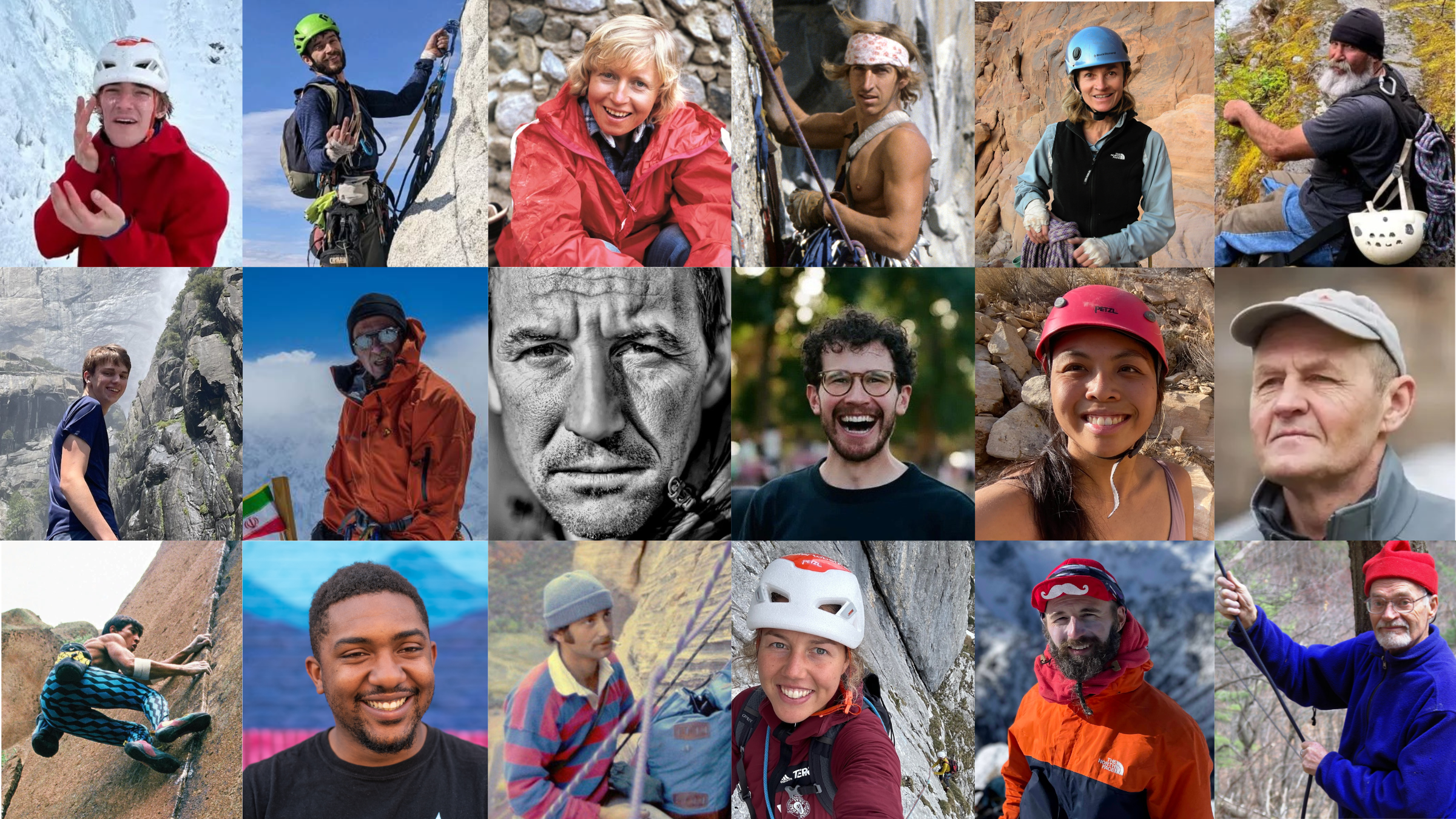
At the beginning of each year, we compile this tribute to climbers who passed away the year prior. The 2025 list includes 43 climbers, ranging in age from 18 to 91. Some died of natural causes, among family and friends. Others lost their lives in accidents involving free soloing, rappelling, and falls in the alpine.
Some of the climbers we lost in 2025 were well-known for their accomplishments; others were undercover crushers. They established new routes in places like Yosemite, Boulder’s Eldorado Canyon, Utah’s Wasatch Range, Wisconsin’s Devil’s Lake, and Nepal. They competed on the international sport climbing circuit, achieved daring solos, produced documentaries, founded companies, and pushed the limits of alpine climbing. One was a pillar of the Memphis Rox climbing gym. Another holds the distinction of being Yosemite’s first climbing ranger.
Many of the climbers remembered here served as cornerstones of their local communities. They wrote guidebooks, developed new routes, guided others up mountains, and taught more people to climb. They were Olympic gold medalists, snow scientists, tech innovators, award-winning photographers, coaches, former dirtbags, fathers, mothers, sons, daughters, and cherished friends.
We want to thank everyone—friends, family, partners—who contributed obituaries this year. We also want to acknowledge that, despite our best efforts, this list is almost certainly incomplete. If there is a climber who should be added, please reach out to us using this form. And for anyone experiencing a loss, we recommend visiting the American Alpine Club’s Climbing Grief Fund.
Creating this list is always both somber and reflective, reminding us of the dangers inherent in our sport, our rich history, and our strong community. Please be safe out there.
—Maya Silver, Anthony Walsh, and Sam MacIlwaine
43 Climbers Who Passed Away in 2025
See the list of climbers below, then read on to find out who each person was and visit their full obituary.
Note: We have removed the paywall for the 2025 Climbers We Lost obituaries so that the climbing community can freely read and share this annual tribute. We invite you to consider becoming an Outside+ member to support climbing journalism and editorial projects like this.
| Climber Name | Date of death |
| Micah Manalese | January 18 |
| Eugene Vahin | January 23 |
| Bob Robertson | January 31 |
| Higinio “Quino” Gonzalez | February 8 |
| Earl Prunty | March 17 |
| Marc Horan | March 23 |
| John Duran | April 19 |
| Peter Lev | April 27 |
| Jerry Anderson | May 7 |
| Robert Anson Carroll | May 8 |
| Gleb Sokolov | May 9 |
| Cristian Brenna | May 25 |
| Vatslav Ruzhevsky | June 1 |
| Grant Cline | June 6 |
| Christopher William Smaling | June 10 |
| Krystyna Palmowska | June 15 |
| Jon Schleicher | June 26 |
| Aaron Hjelt | June 26 |
| Jarmond Johnson | June 29 |
| Yoseph Alabdulwahab | July 6 |
| Ron Olevsky | July 23 |
| Laura Dahlmeier | July 28 |
| Rick Karden | July 29 |
| Nikolay Totmyanin | August 11 |
| Andrea Biffi | August 17 |
| David Ross Anderson | August 18 |
| Ross James Wallette | August 18 |
| Christophe Jacquemoud | September 12 |
| Mat Travizano | September 12 |
| James Pinter-Lucke | September 17 |
| Benjamin Guigonnet | September 18 |
| Quentin Lombard | September 18 |
| Dale Bard | October 1 |
| Balin Miller | October 1 |
| Peter Cleveland | October 7 |
| Franziska Garrett | October 17 |
| Emman Atienza | October 22 |
| Henry Todd | November 3 |
| Thomas Vialletet | November 24 |
| Dick Jackson | November 26 |
| Jeff Foott | December 3 |
| Helmut von Microys | December 4 |
| Shafiq Noorani | December 31 |
Micah Manalese, 30, January 18
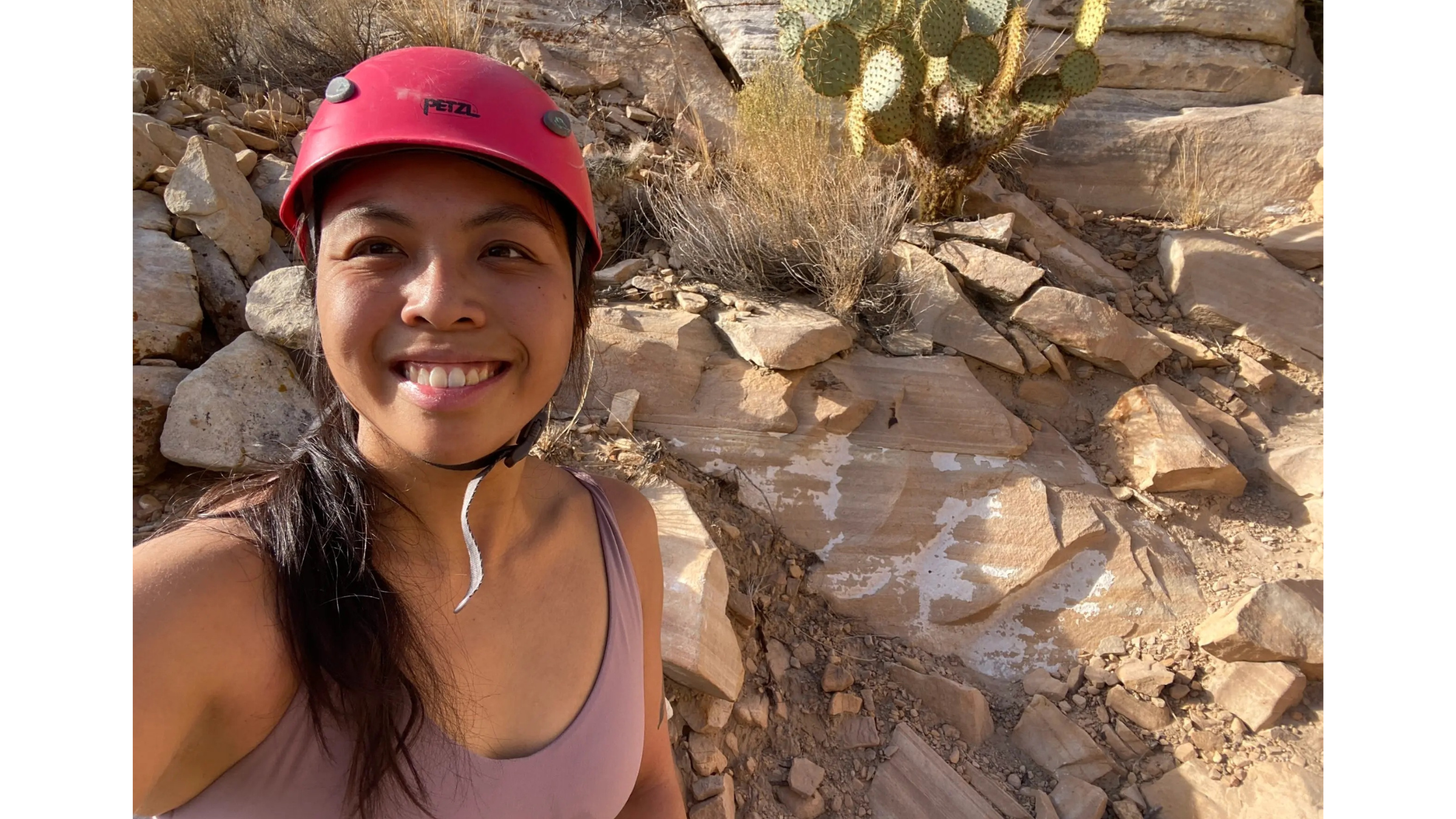
Micah Manalese was the type of climber we should all strive to be. She was kind, caring, strong, passionate, courageous, ambitious, and extremely talented. Micah had a joy for life—and for climbing—that was contagious. Everyone could feel it. She welcomed everyone with open arms and made climbers of all ability levels feel comfortable in the vertical world. She loved the sport and wanted to share that love with others.
Eugene Vahin, 33, January 23
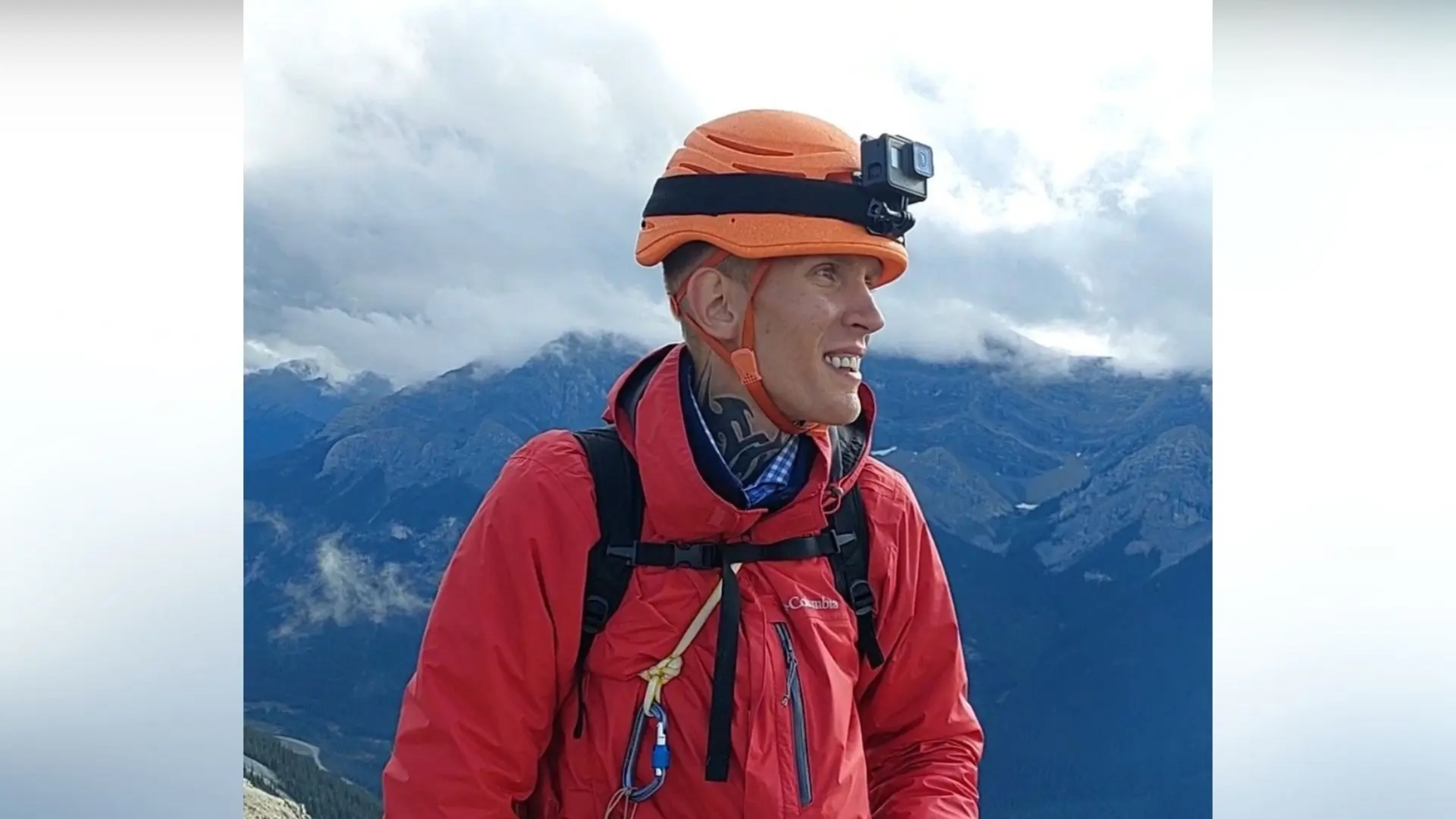
Eugene Vahin was a Ukrainian ice climber who had recently emigrated to Canada, where he shared videos of himself climbing. Vahin was also a regular volunteer with the nonprofit Canmore Food Recovery Barn, who called him a “spark of light” and a “very kind soul” in a tribute post. He is survived by his wife.
Bob Robertson, 71, January 31
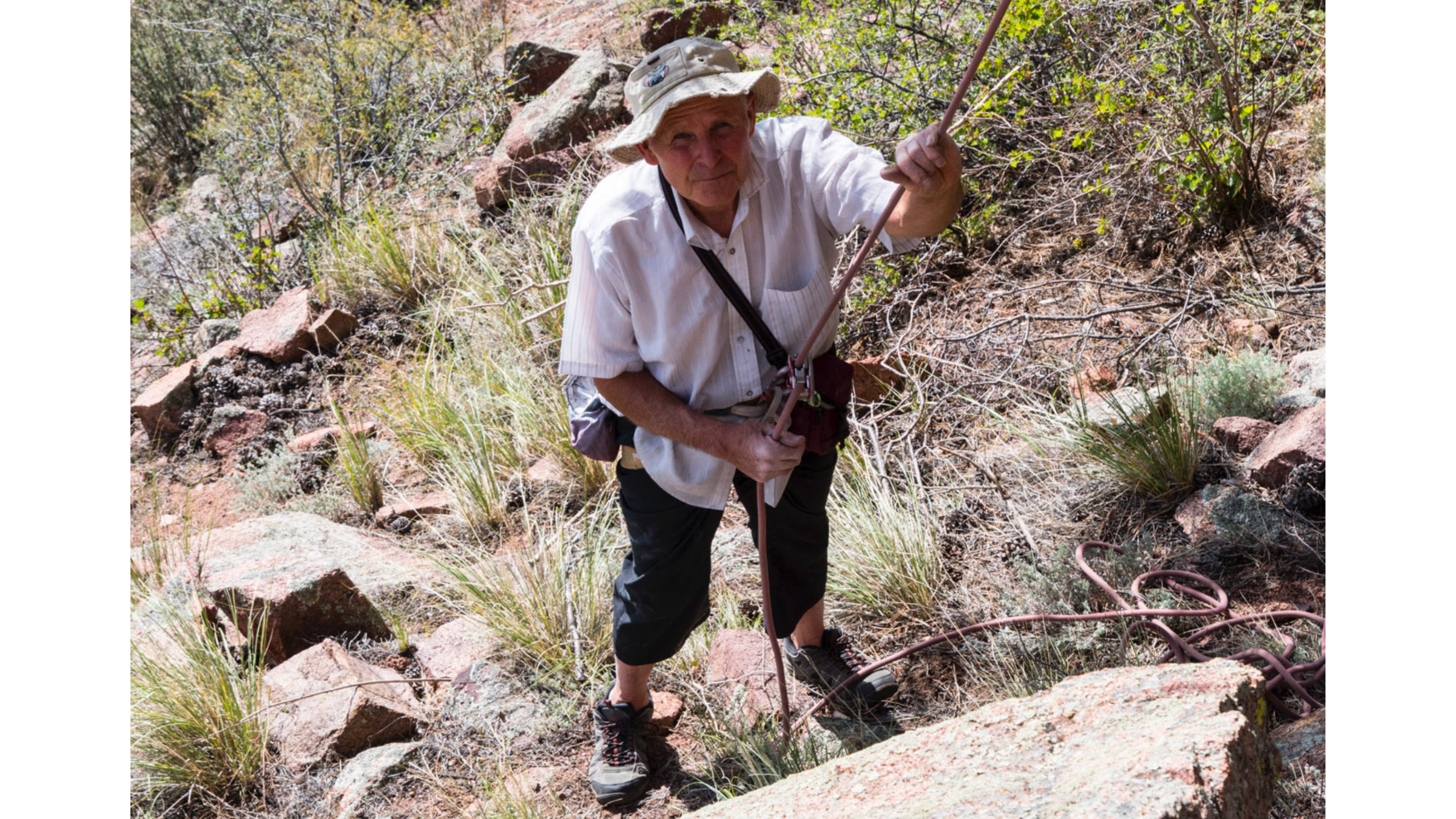
A fixture of the Colorado climbing scene for more than five decades, Bob Robertson embodied the purest form of devotion to the craft. “Bob was just a climber through and through,” said one friend. He remembered him as a route developer, storyteller, and tireless presence at the crag. Starting in the 1970s around Colorado Springs and the Garden of the Gods, Robertson became known for his endless appetite for new lines. Some became local classics; many remain obscure, their authorship long forgotten.
Higinio “Quino” Gonzalez, 59, February 8
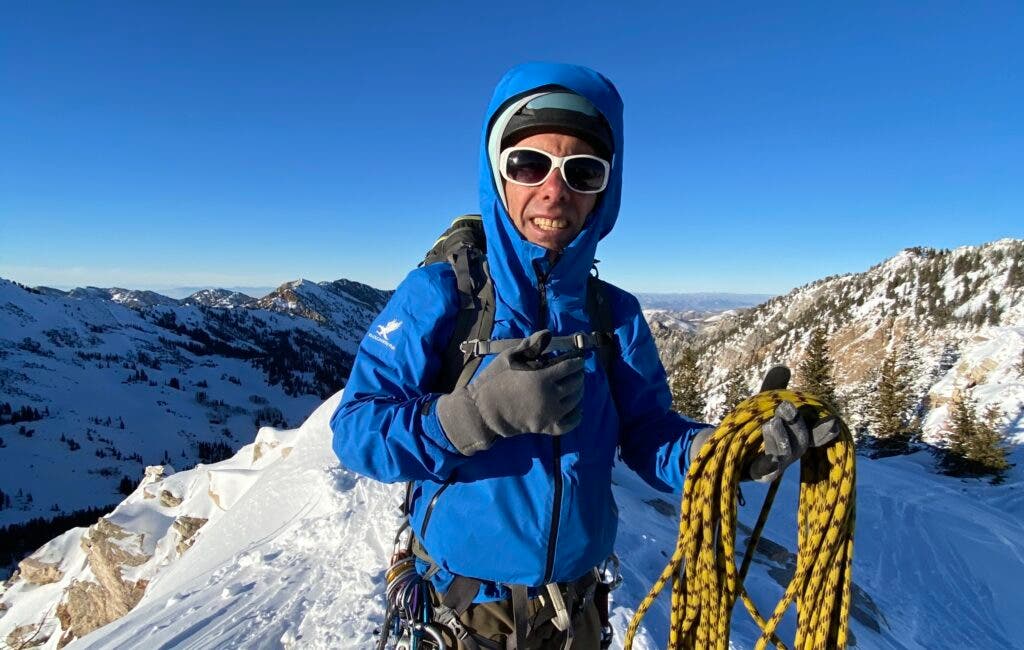
Higinio “Quino” Gonzalez was a long-time skiing and rock climbing guide in the Wasatch Range of Utah. An alpinist who had guided Denali over 11 times, he is remembered as a beloved legend of the Wasatch and the guiding community alike. On February 8 of last year, Quino was caught and killed in an avalanche in Utah’s Big Cottonwood Canyon. IFMGA guide Alan Rousseau remembers Quino as being “remarkably strong.” He recalled that at nearly 60 years old, Quino was “still climbing 5.12, WI6, M8, skiing most days, and cycling up the canyons.”
Earl Prunty, 68, March 17
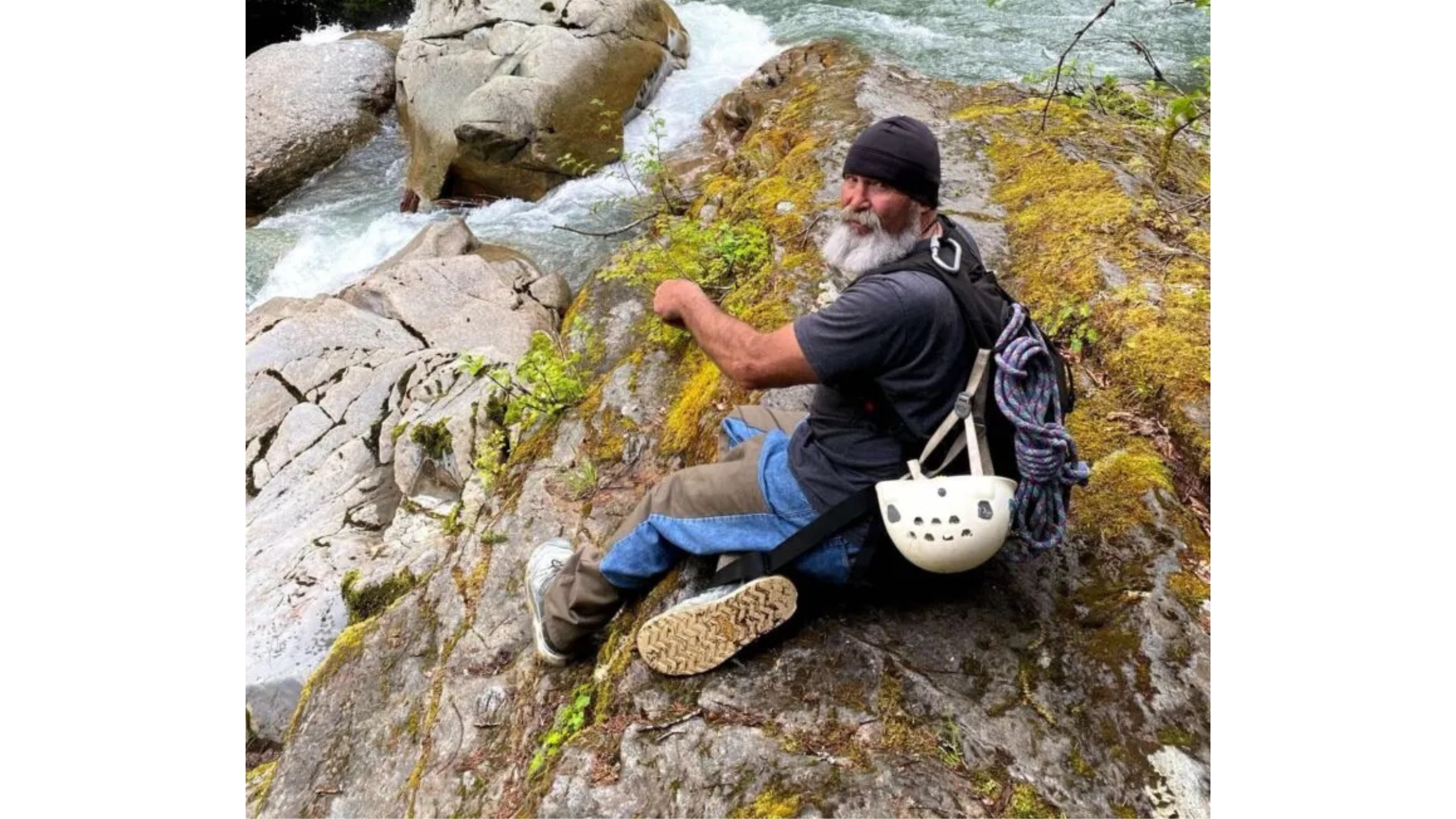
Earl Prunty wasn’t your average free soloist, if there is such a thing. The Washington climbing community knew him for both his kindness and his signature climbing style: downclimbing routes hands first, then free soloing back up.
Marc Horan, 46, March 23
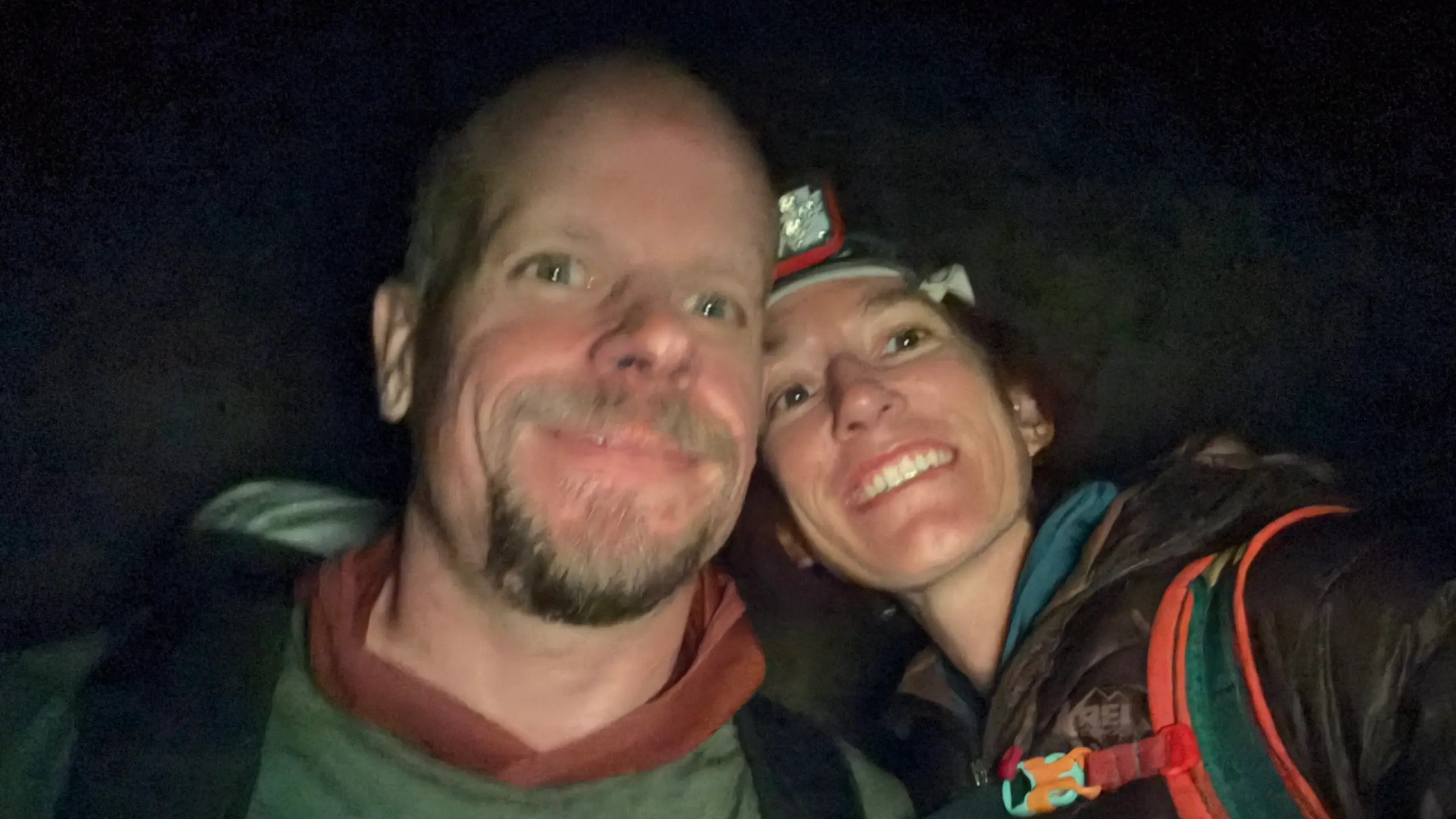
Marc Horan was a cornerstone of the Boulder, Colorado climbing community. His infectious love for climbing radiated far beyond the crag, touching everyone who crossed his path. His deep sense of stewardship for the sport was evident in every aspect of his life—even in how it ended. Marc tragically fell to his death while trying to leave a climbing area better than he found it. On March 23, 2025, he passed doing what he loved most, surrounded by his partner, his bonus daughter, and close friends.
John Duran, 63, April 19
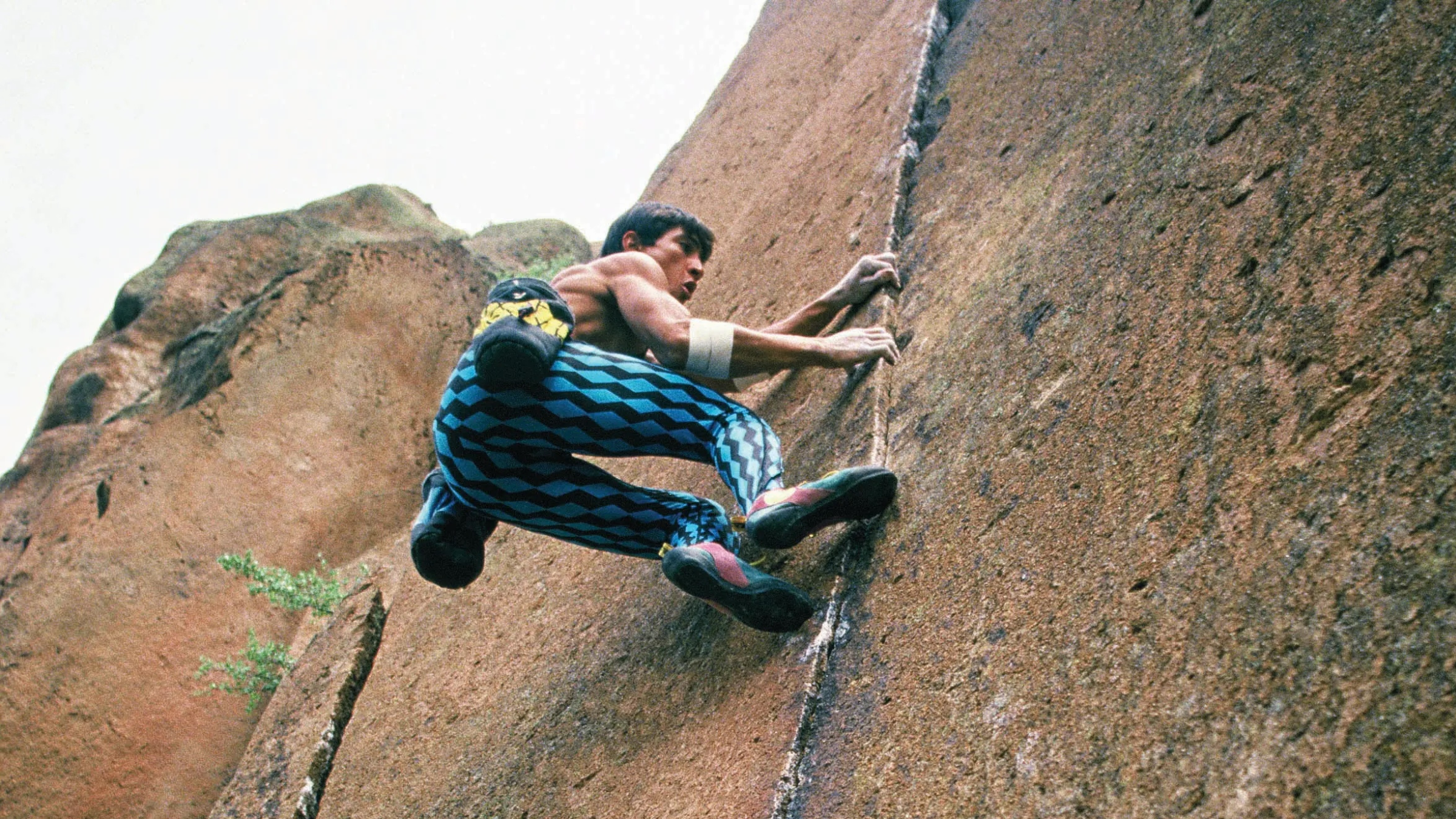
“You could write a book on John Duran, and you’d barely scrape the surface,” said James Williamson, who climbed with John for more than 35 years. Born in Alamosa, Colorado to two teachers, John was a prolific first ascensionist of thousands of boulders and routes in Spain, China, and the American Southwest. He redpointed routes up to 5.14 and free soloed up to 5.13, including the Todd Skinner classic trad line Fainting Imam (then 5.13; now 5.12b/c). He is remembered for his bold ascents, purist climbing attitude, and unique connection to the land through his Native heritage.
Peter Lev, 85, April 27
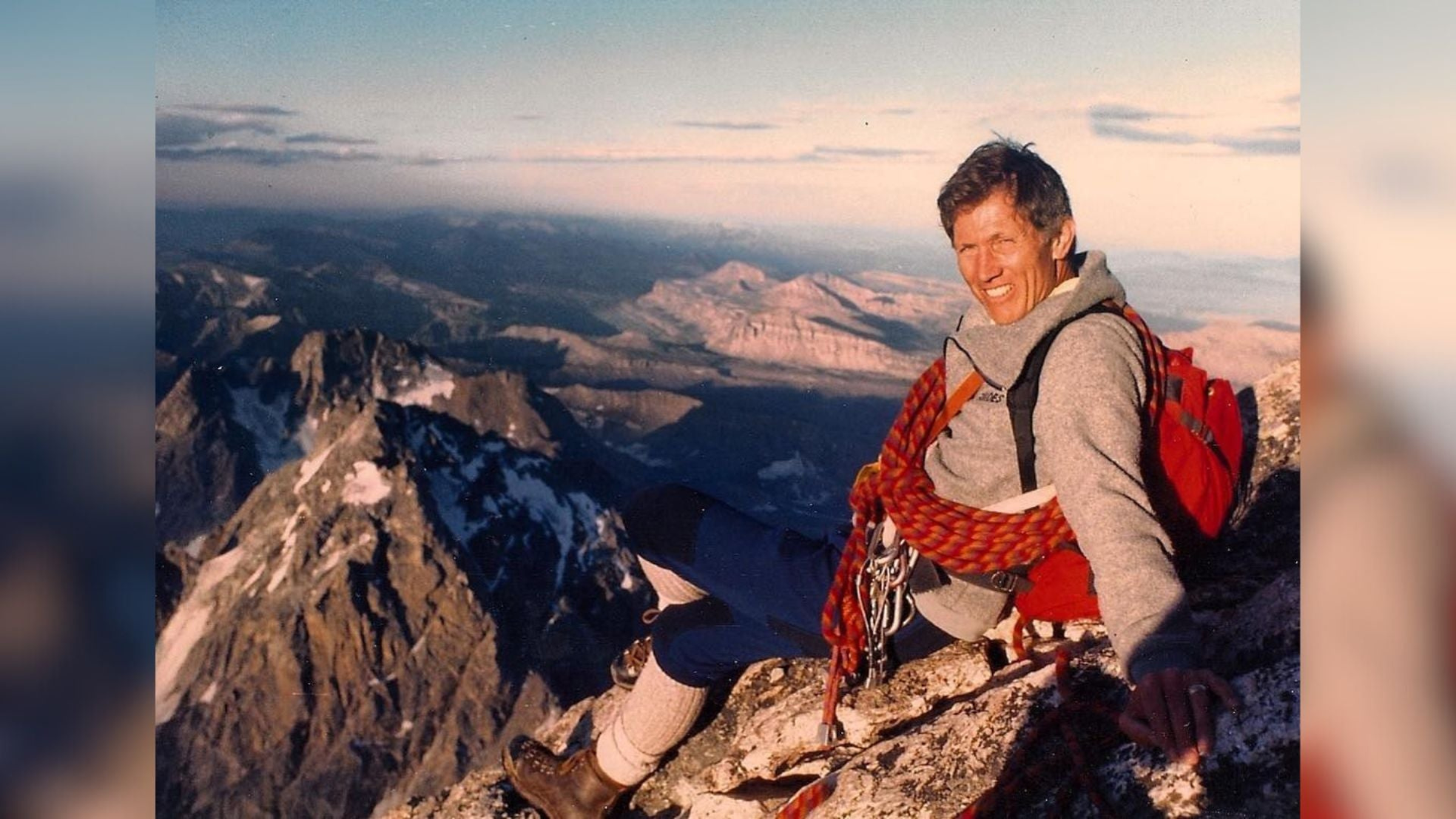
Peter Lev spent most of his life in the mountains—climbing, skiing, avalanche forecasting, and, as he often said, escaping the “real world.” His passion for the outdoors shaped both his adventurous spirit and his life’s work. Peter was a prolific first ascensionist, making some of the first documented ascents of rock and ice climbs in Little and Big Cottonwood Canyons and Eldorado Canyon. Beyond climbing, Peter dedicated much of his life to skiing, snow science, and avalanche forecasting.
Jerry Anderson, 78, May 7
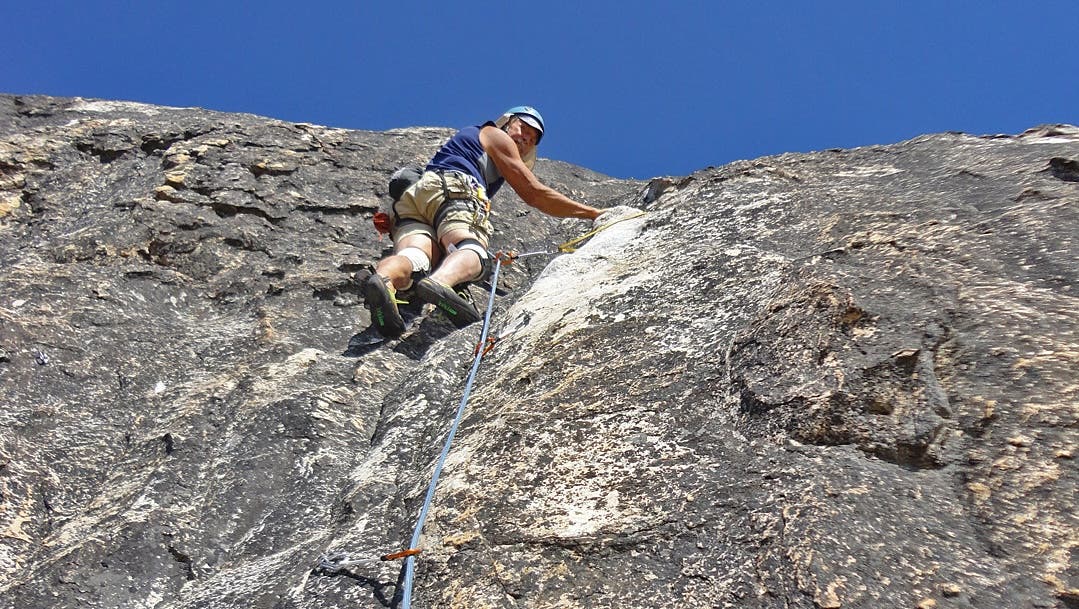
Like many climbing notables, Jerry Anderson first put boot to stone at Stoney Point. He also enjoyed fishing, SCUBA diving, and a recreational lifestyle with his wife Sigrid, family, and friends. Over many decades, “The Climbing Family Andersons” made hundreds of notable first ascents and contributions to several Yosemite and surrounding area guidebooks. Jerry was always planning and prepping for the next outing and route he’d spied.
In the 1960s, Jerry moved into Yosemite’s Camp 4, employing “Iron Age” gear and tactics to climb big walls. In the `70s, he put in time with Yosemite Search and Rescue (YOSAR), while embracing the then new lighter weight “clean climbing” ethos.
Robert Anson Carroll, 25, May 8
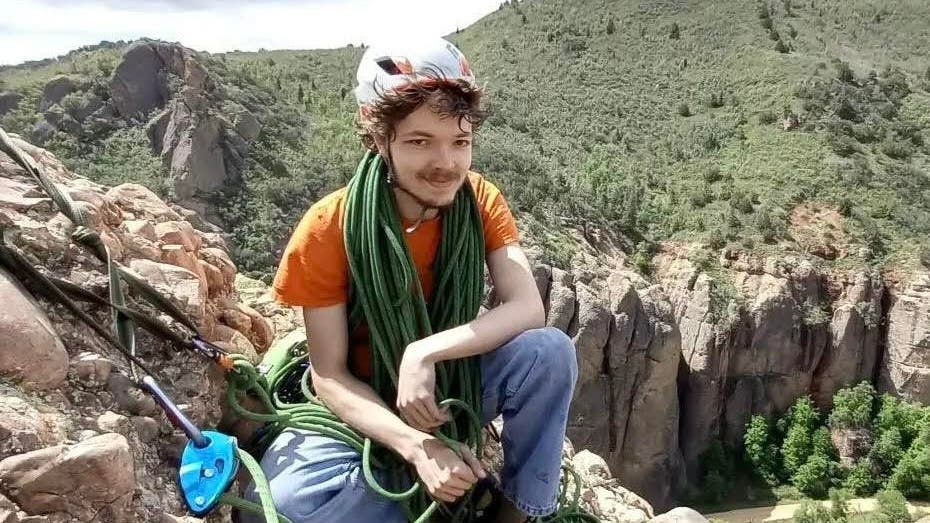
Robert “Robbie” Anson Carroll, a computer science student in Salt Lake City, Utah, loved climbing all around Utah. His adventures spanned American Fork Canyon, both Cottonwood Canyons, Maple Canyon, and Rock Canyon, where he shared an ascent of Cosmic Space Dust Lazers (5.9; 1,000ft) with his friend Manny Rivera Marquez. He also traveled to Puerto Rico with his partner, Adara DeNiro, where he took on limestone routes and connected with the climbing community. He is remembered for his calm presence, intelligence, and sincere beliefs, including “More love equals more good.”
Gleb Sokolov, 71, May 9
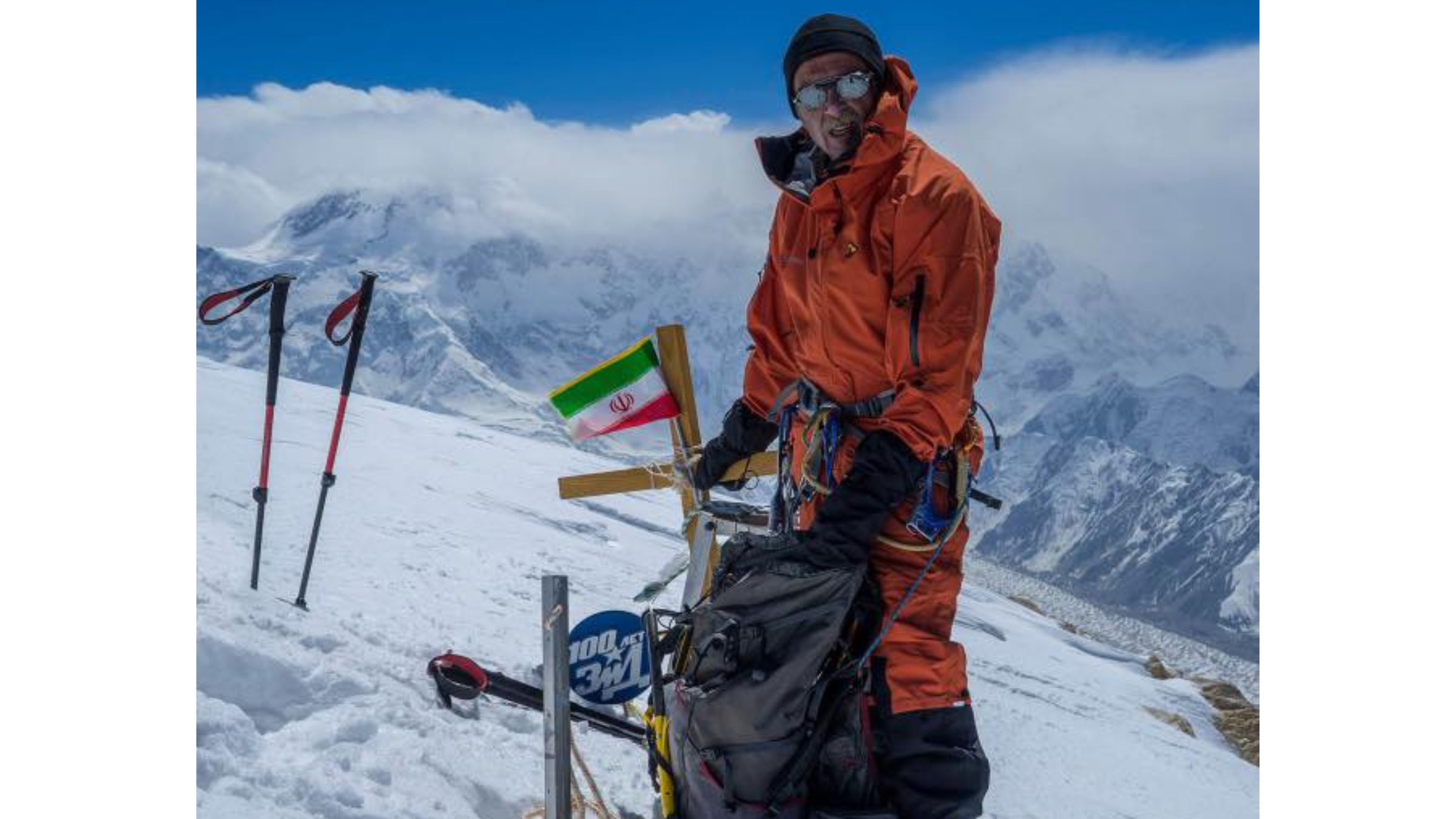
Gleb Sokolov, who hailed from the Siberian city of Novosibirsk, was among the leading Russian alpinists in the post-Soviet era. Sokolov racked up a gargantuan list of ascents during his nearly four decades in the mountains, including 57 ascents of peaks above 7,000 meters and nine ascents of peaks higher than 8,000 meters. One of Sokolov’s classic proving grounds was Kyrgyzstan’s Pobeda Peak/Jengish Chokusu (7,439m). He set a 20-hour camp-to-camp speed record on the mountain in 1993, and in 2005 made an eight-day solo traverse of the massif, lugging a pack filled with fresh cucumbers, apples, fried drumsticks, sausage, smoked fish, jam, and candied pineapples. Sokolov reported battling high winds, Arctic temperatures, and heavy snow with healthy doses of cognac and beer, music and poetry.
Cristian Brenna, 54, May 25
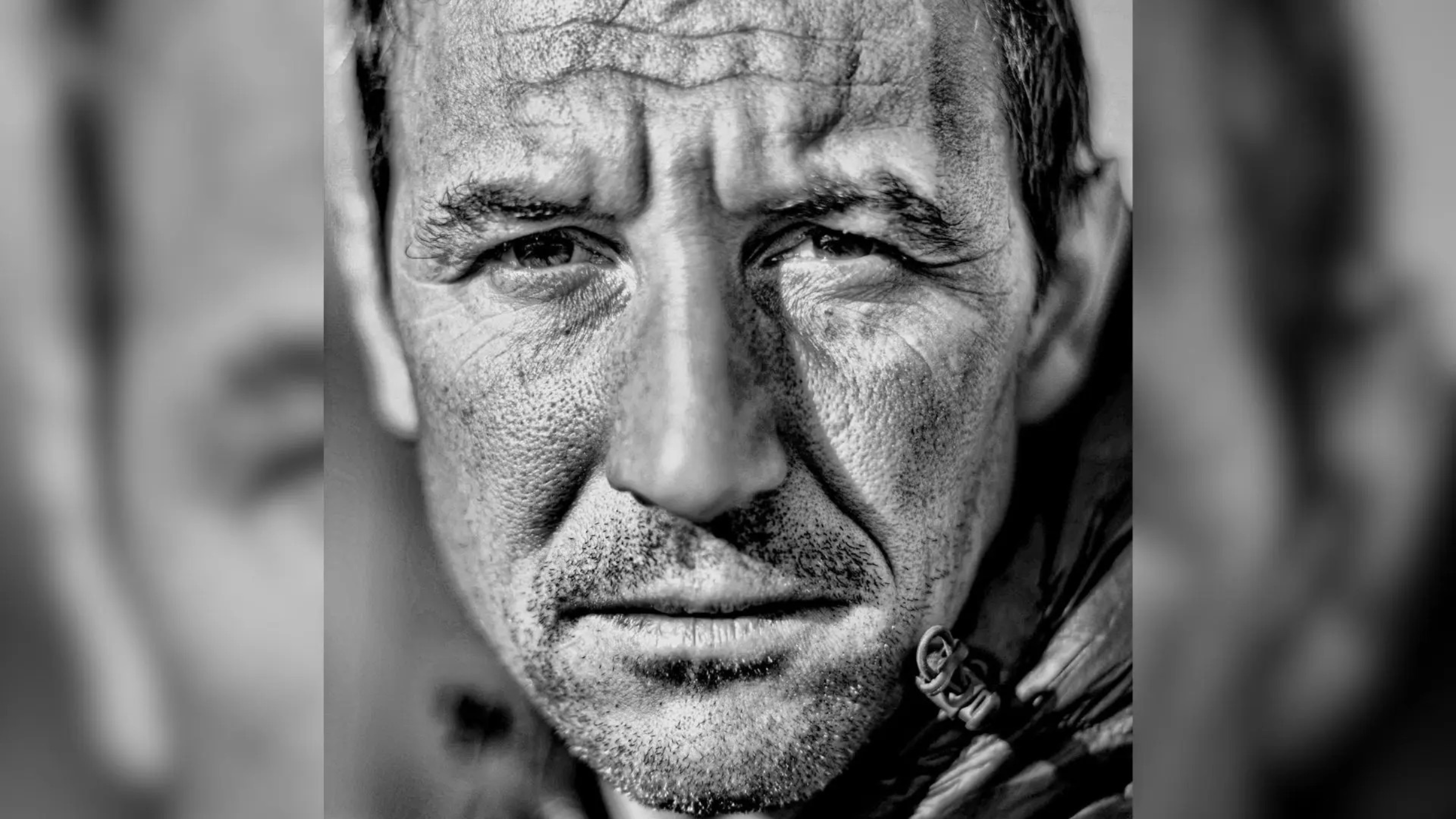
Cristian Brenna found mountains to be “Divertimento, passare bei momenti con gli amici e vivere esperienze intense” (fun, spending good moments with friends, and having intense experiences), emphasizing that true alpinists needed “La completezza e la polivalenza” (completeness and versatility). For Brenna, success was deeply personal, about feeling good about himself, not merely external recognition.
Vatslav Ruzhevsky, 90, June 1
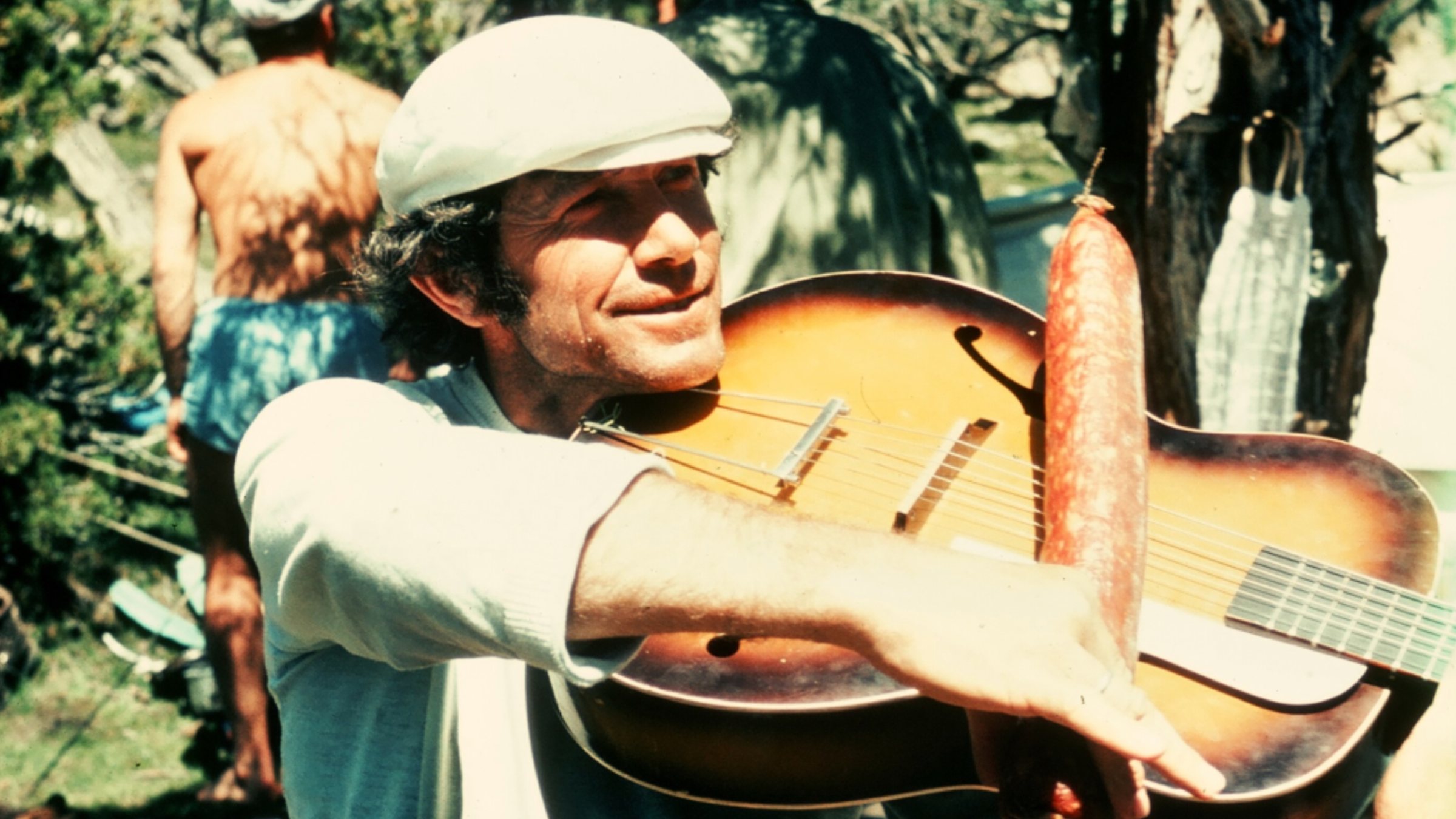
Vatslav Ruzhevsky was one of Russia’s leading alpinists in the late and post-Soviet era. The American climbing pioneer George Lowe climbed extensively with Ruzhevsky during a cross-cultural exchange trip to the USSR in the 1970s. Even a half-century later, Lowe recalled roping up together as “one of the best experiences of my life.”
Grant Cline, 18, June 6
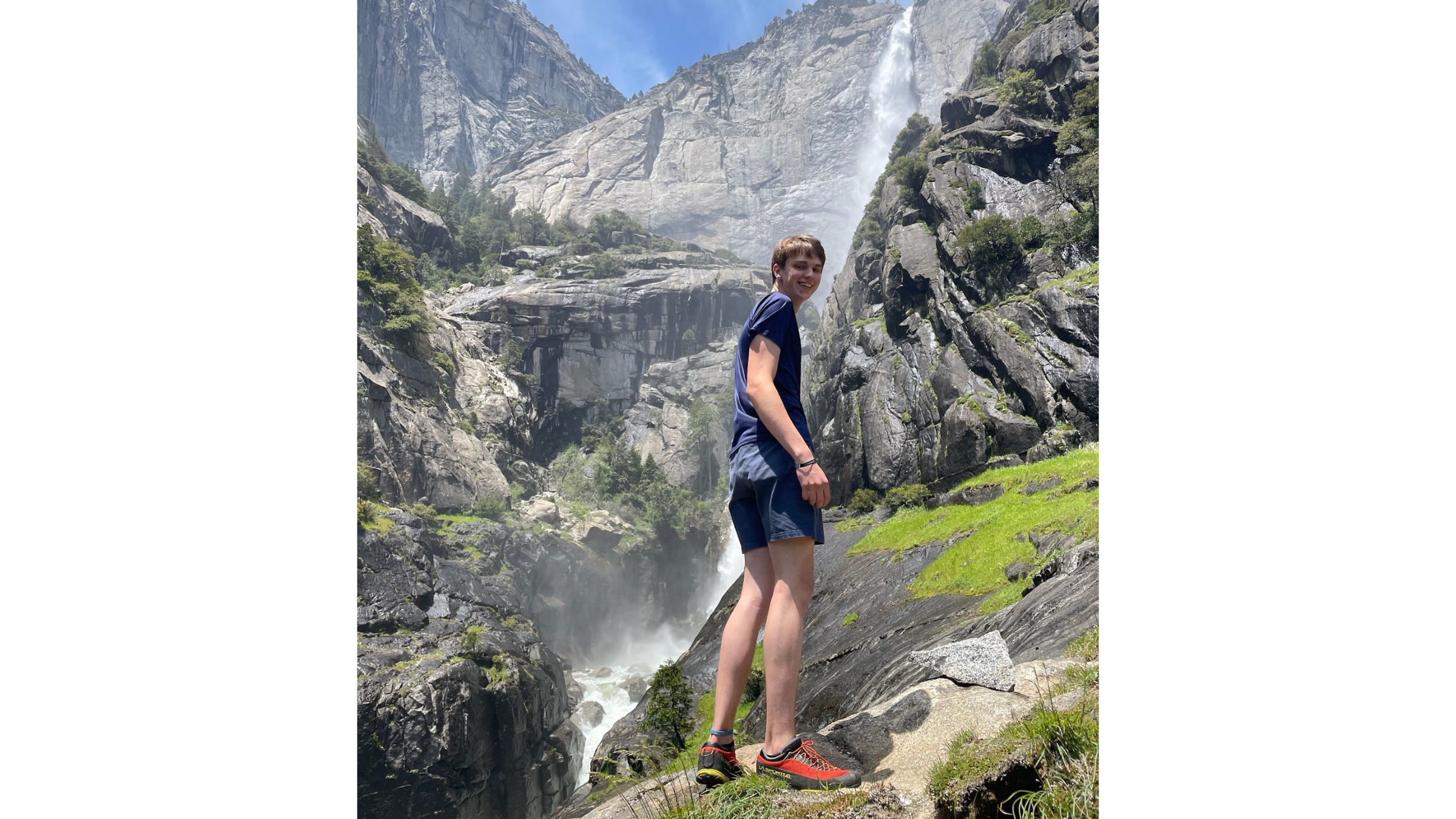
Grant Cline discovered rock climbing inside the Frisco, Texas, Canyons Rock Climbing gym when he was 14 years old. From then on, climbing was his full focus. “He was already the kind of kid who would climb out of his window and sit on the roof at night,” his father said. “But once he found rock climbing, that was it. And then his focus was Yosemite.”
Christopher William Smaling, 28, June 10
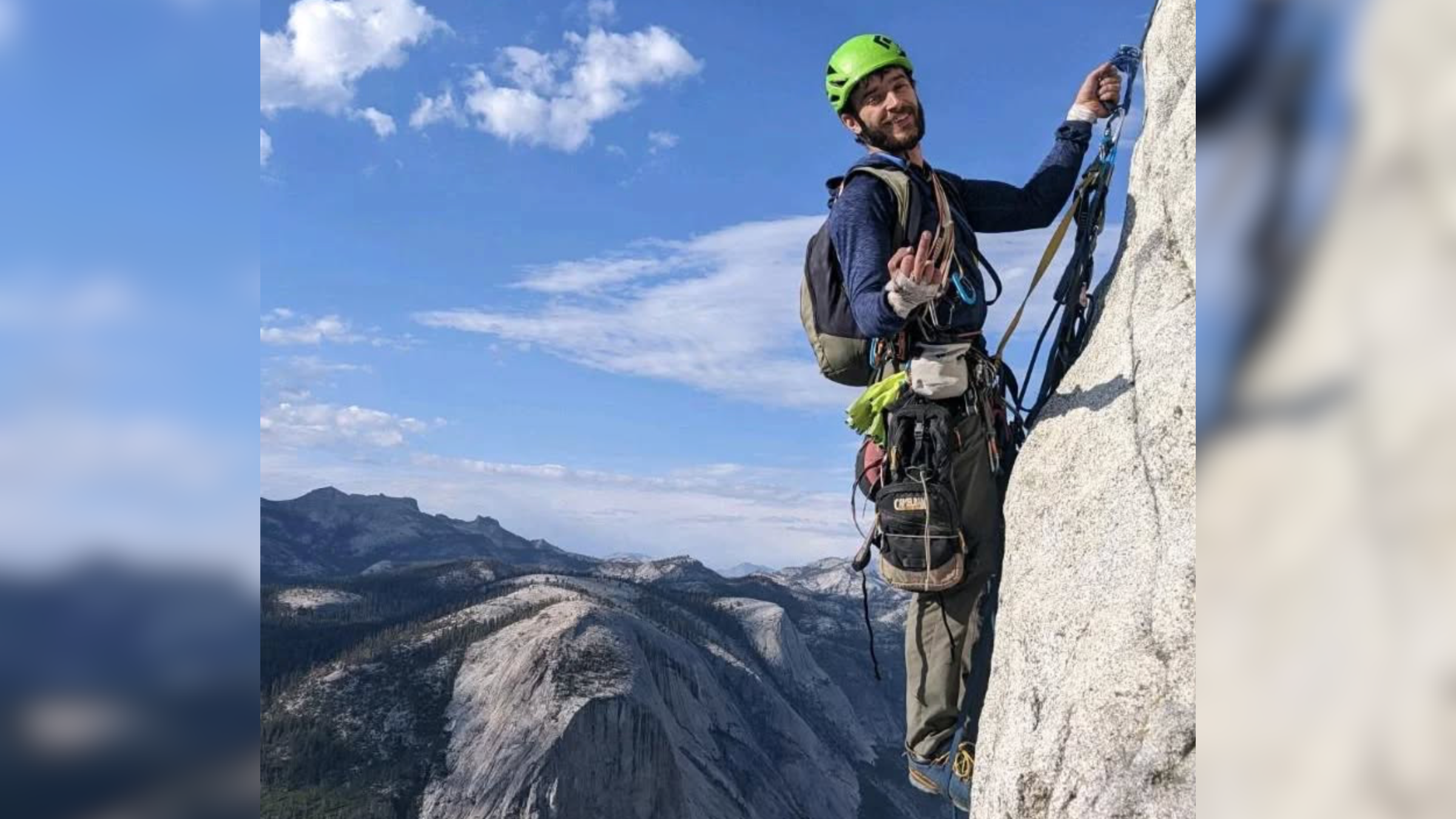
Climbing was Chris Smaling’s true calling; it shaped everything he did. After graduating early from high school, he took a gap year, joining his dad in India and mountaineering in Nepal. When he returned to North America, Chris fell in love with trad climbing and climbed all around Colorado and Squamish, B.C., before finally settling as a seasonal employee in Yosemite Valley. “He always had this vibe to him that he wasn’t meant for this world,” says his sister, Camille. “He wasn’t meant to go to college or have a nine-to-five. He just wanted to soul-search and go climbing all day.”
Krystyna Palmowska, 76, June 15
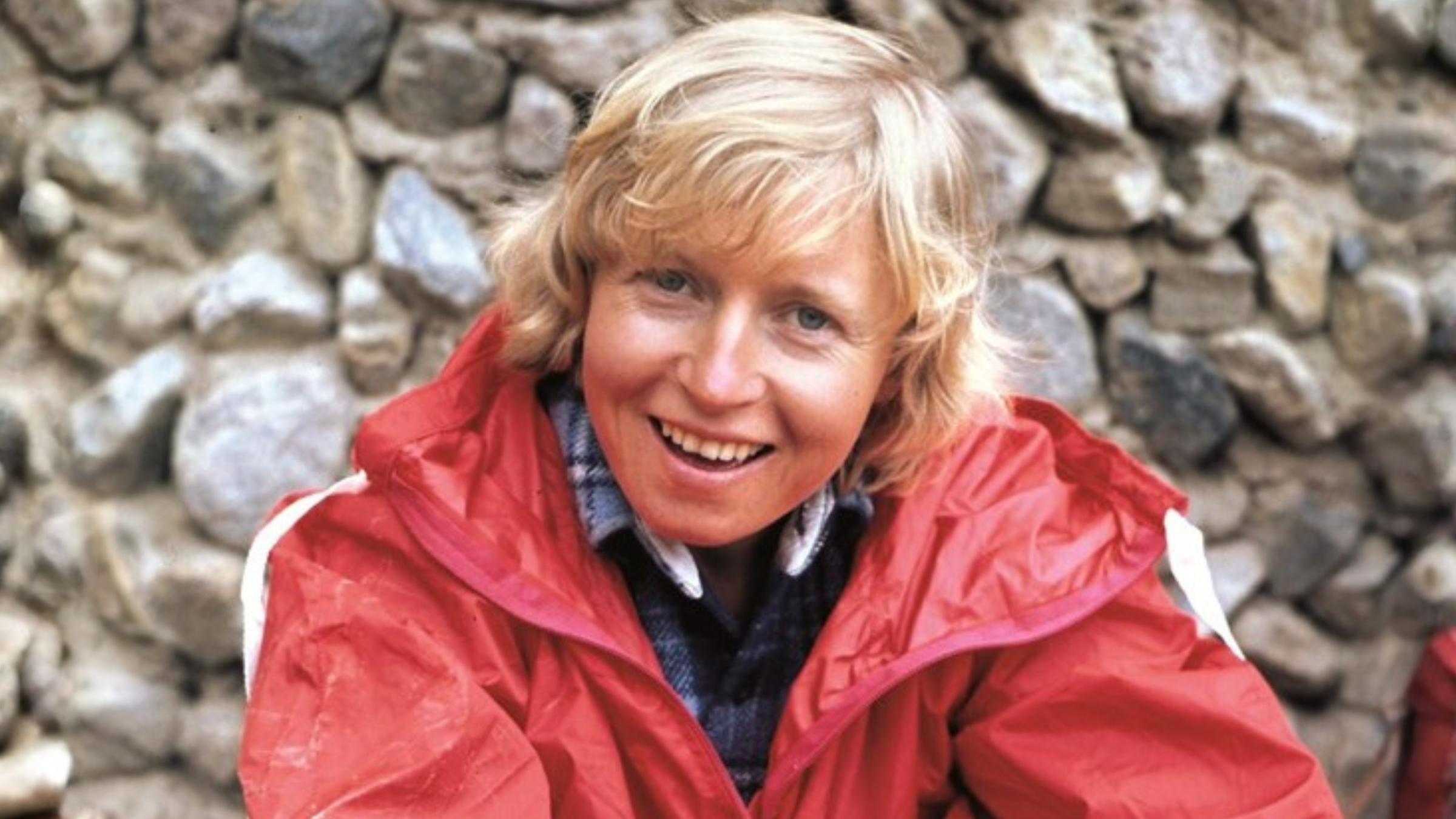
Krystyna Palmowska, one of the most accomplished Polish alpinists of the 1970s and ’80s, died on June 15 after a fall in Slovakia’s High Tatras. Born in Warsaw in 1948, Palmowska became a defining figure of Poland’s “golden era” of high-altitude climbing. As reported by TVP World, she began climbing in the Tatras in 1969, forging a long partnership with Anna Czerwińska that would become one of the strongest women’s teams of their generation.
Jon Schleicher, 32, June 26
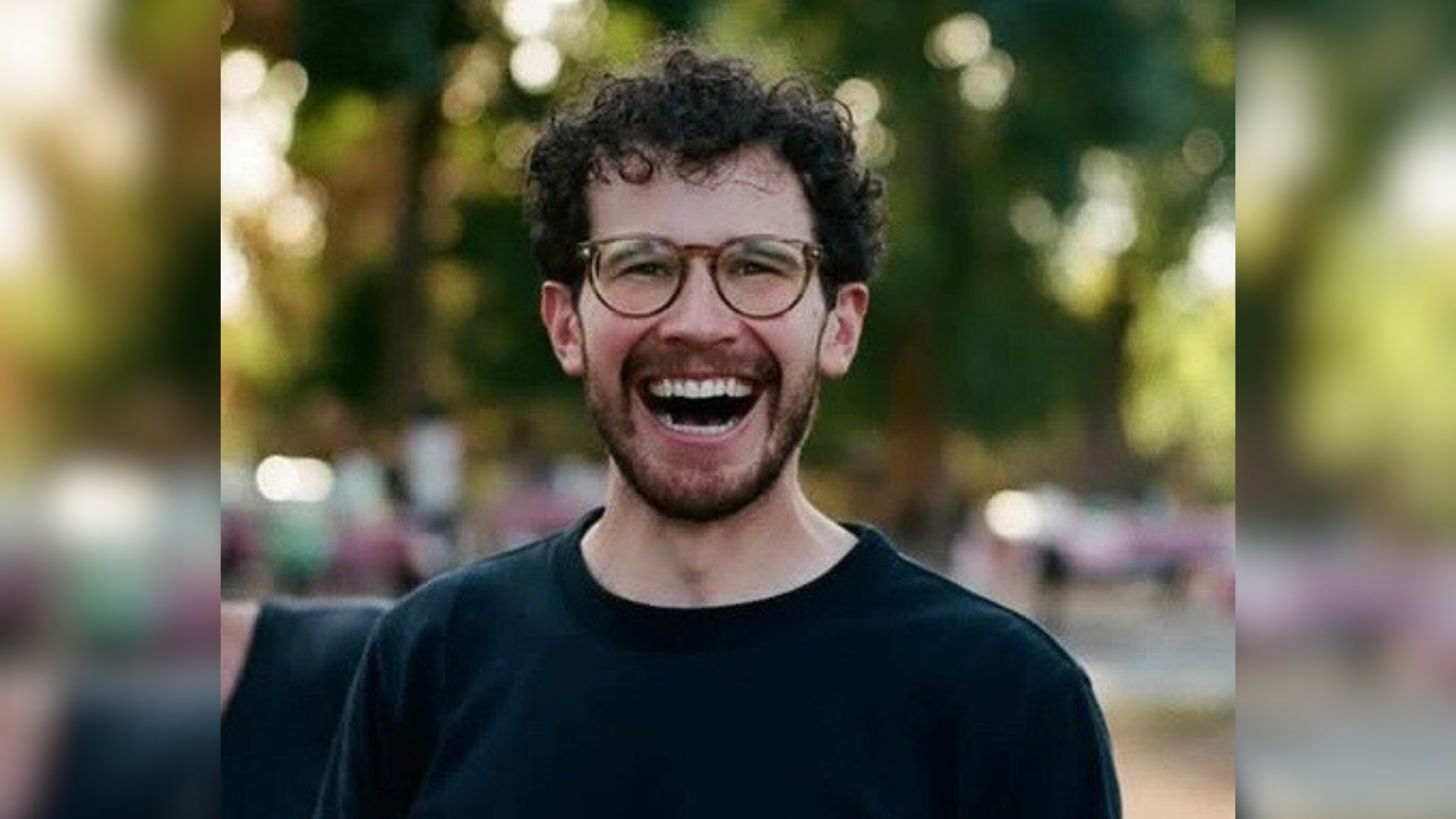
Jon Schleicher was a beloved member of the Front Range climbing community known for reassuring friends with his iconic phrase, “…and that’s okay.” He loved climbing, running, and spending time with his cat, Jasper. As a talented climber, Jon sent up to V10 and 5.13, and was famed for his sourdough bread and a wonderful smile. He had a special affinity for going out of his way to always help a friend or family member. In his life, Jon inspired so many to keep dancing when the world felt darker than it should be.
Aaron Hjelt, 46, June 26
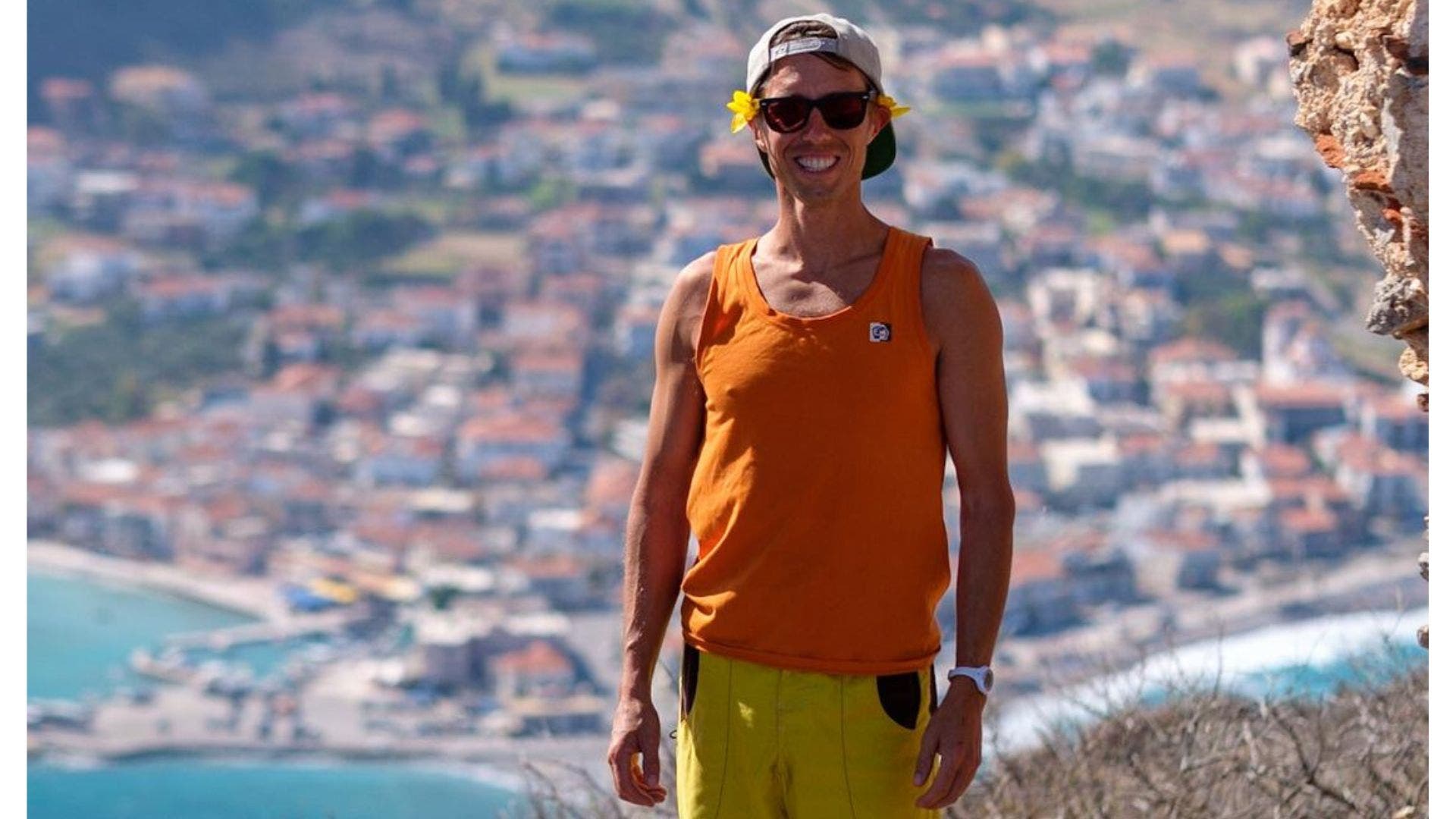
Aaron Hjelt was a self-made man. He started his own company, Alpha Climbing, offering summer trips and gap-year experiences for young climbers, and also earned a living as a DJ, photographer, and climbing coach, among many other endeavours. But unlike most entrepreneurs, Hjelt never really cared about making money. “He was brilliant, but he was a terrible businessman,” his older brother Duane joked.
Jarmond Johnson, 25, June 29
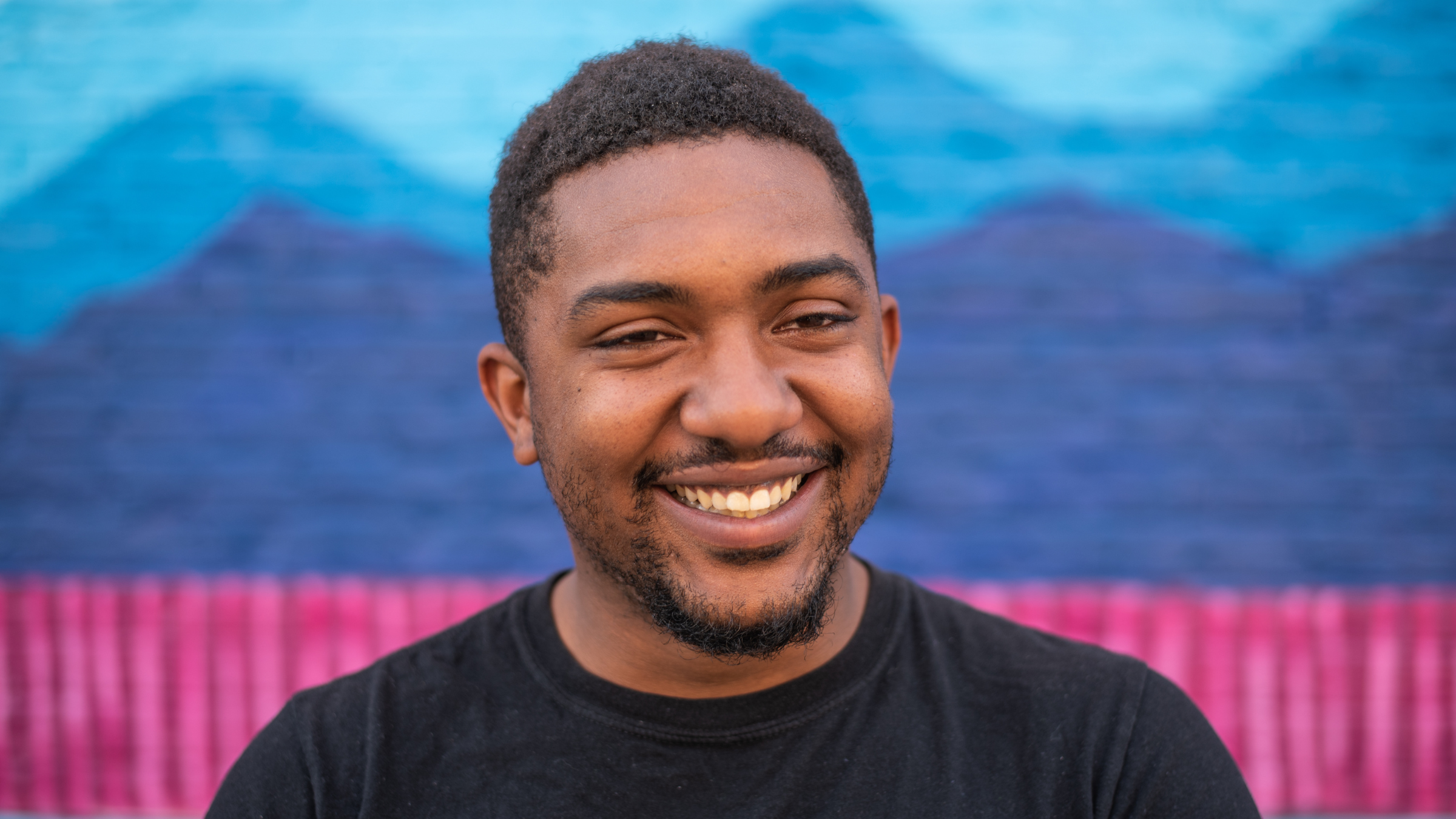
Jarmond Johnson, 25, was a pillar of the Memphis Rox community and a source of light for everyone who knew him. His life, though far too short, was defined by kindness, adventure, and an unwavering commitment to lifting others up. Jarmond leaves behind a legacy of inclusion, compassion, and resilience that will continue to live on in the many lives he touched. His son is expected to be born this December, and his spirit will undoubtedly be carried forward through him.
Yoseph Alabdulwahab, 25, July 6
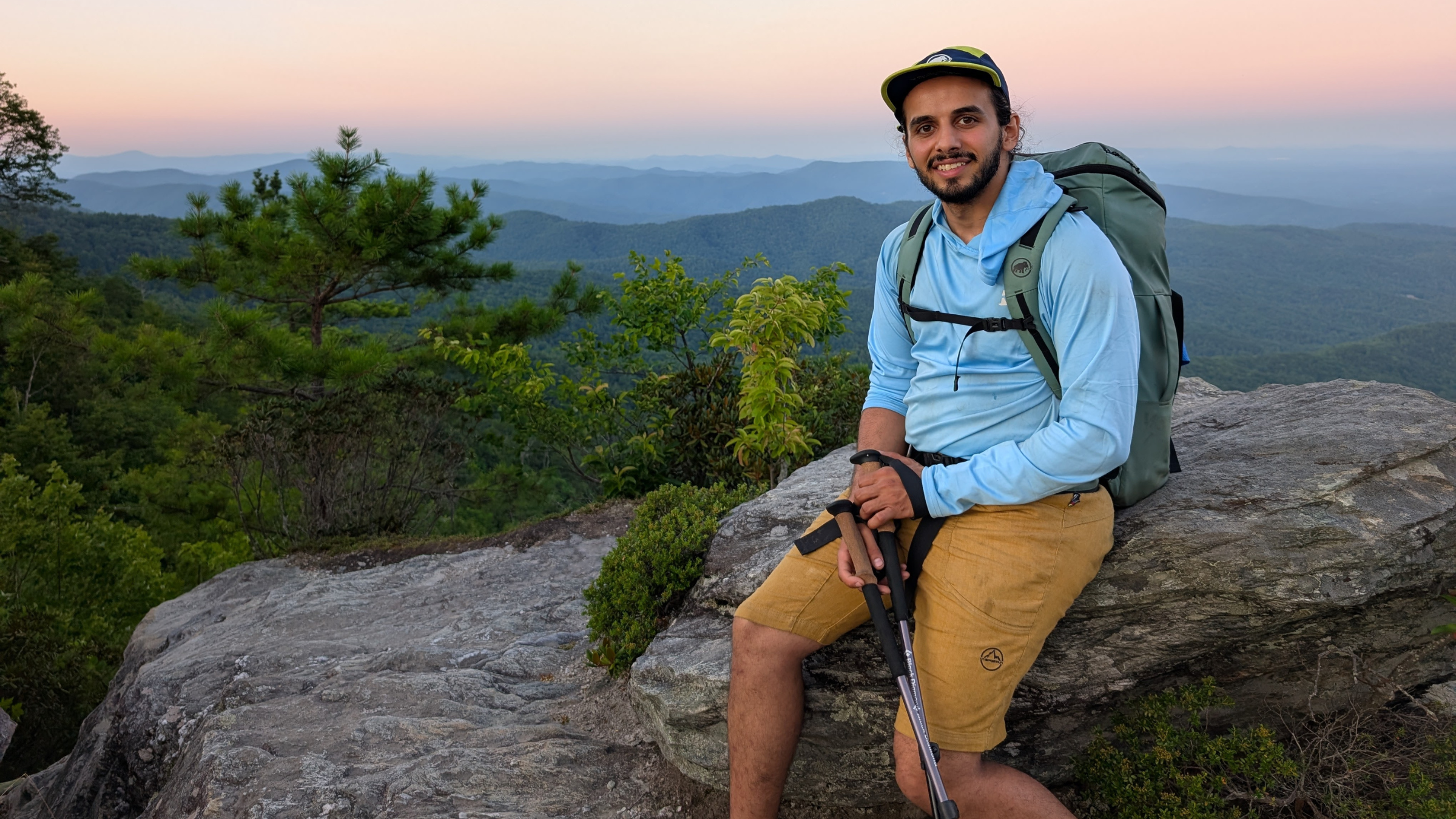
Yoseph Alabdulwahab “was everyone’s best friend. He never met a stranger,” said close friend Maddi Fultz. Alabdulwahab, 26, died on July 26, in a canyoneering accident in North Carolina. Alabdulwahab was introduced to climbing while living in Jackson, Mississippi—a state that may take first prize for the least climbing in the nation—but he didn’t let that stop him. “He was so psyched that he would drive hours every week to visit crags in Alabama and Tennessee,” said Fultz.
Ron Olevsky, 71, July 23
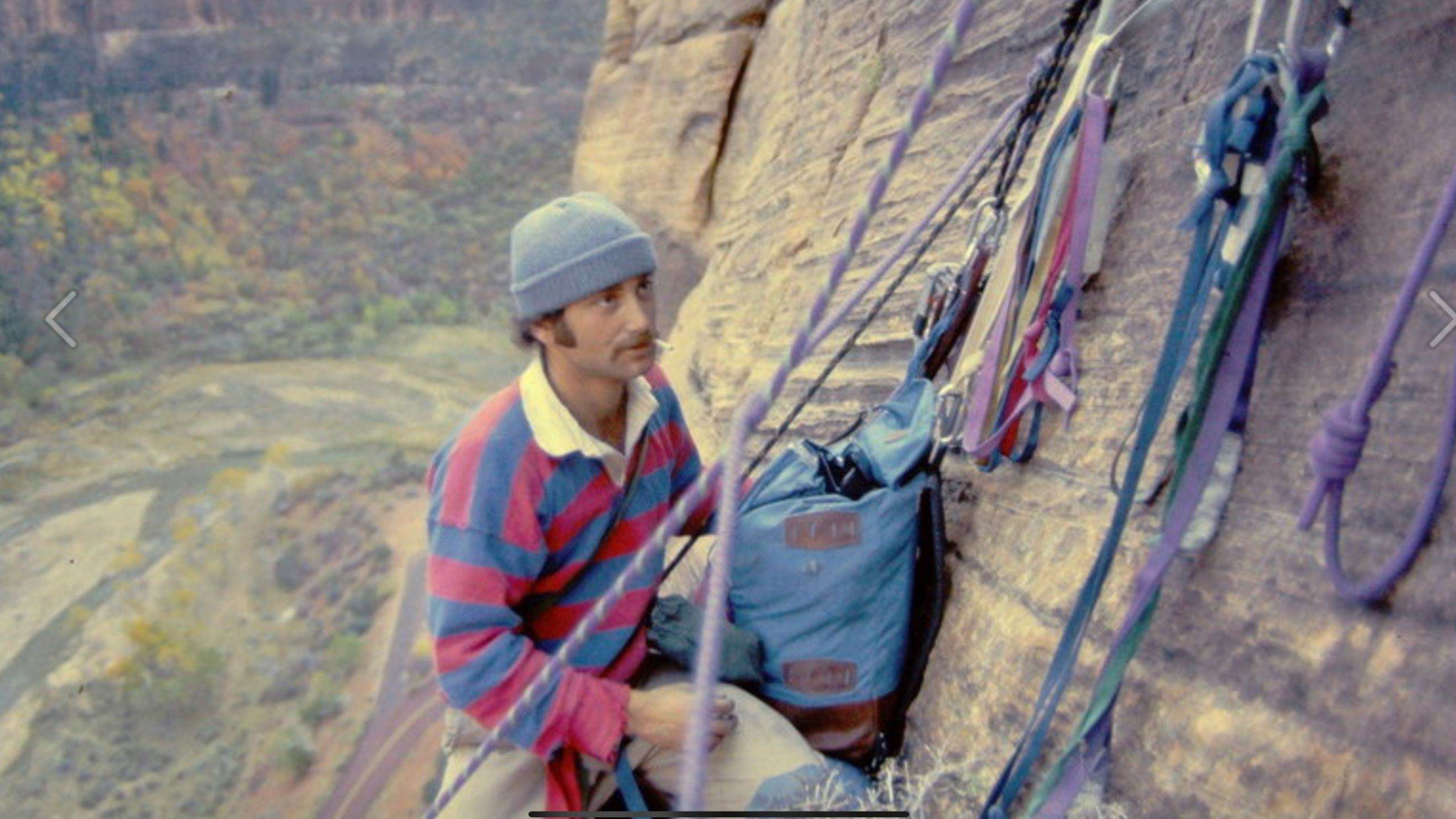
Known for his rope-solo exploits—often with a revolver at his side—Olevsky embodied the fierce independence of early desert climbing. He was equally known for his humor and creativity. Allen Sanderson, a founding member of Access Fund, recalled Olevsky’s wit: “During those early days, Ron brought humor to our constant battles over climbing access. He had shirts made for the committee as a little inside joke about our struggles, and we proudly wore them.”
Laura Dahlmeier, 31, July 28
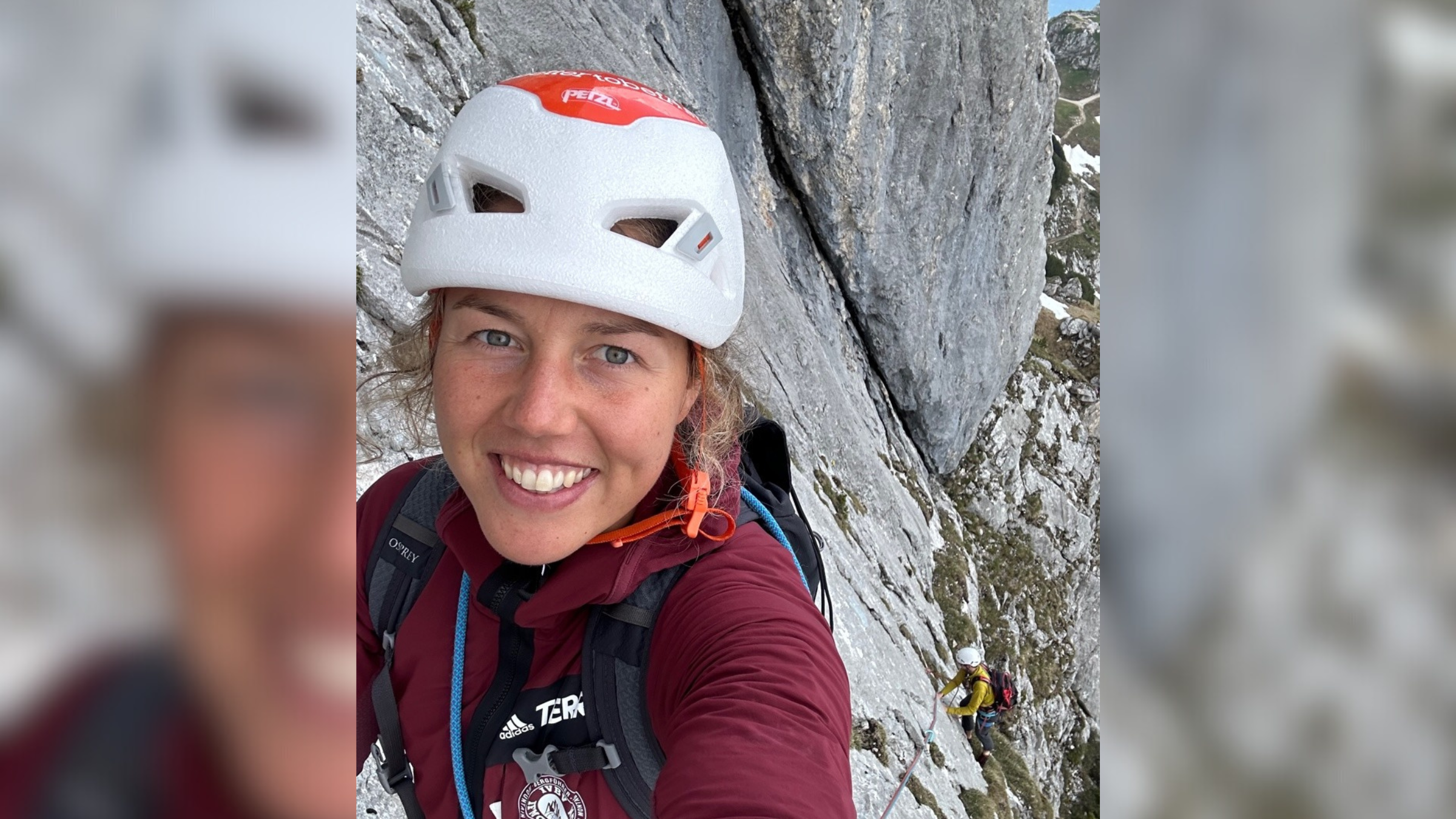
Laura Dalhmeier held two gold medals from the 2018 Pyeongchang Winter Olympics in biathlon. Dahlmeier retired from the biathlon in 2019, at age 25, to devote herself to alpine climbing full-time. Among other climbing accolades, she holds the female fastest known time on Nepal’s Ama Dablam. She scaled and descended the 22,349-foot mountain in just 12 hours.
Rick Karden, 56, July 29
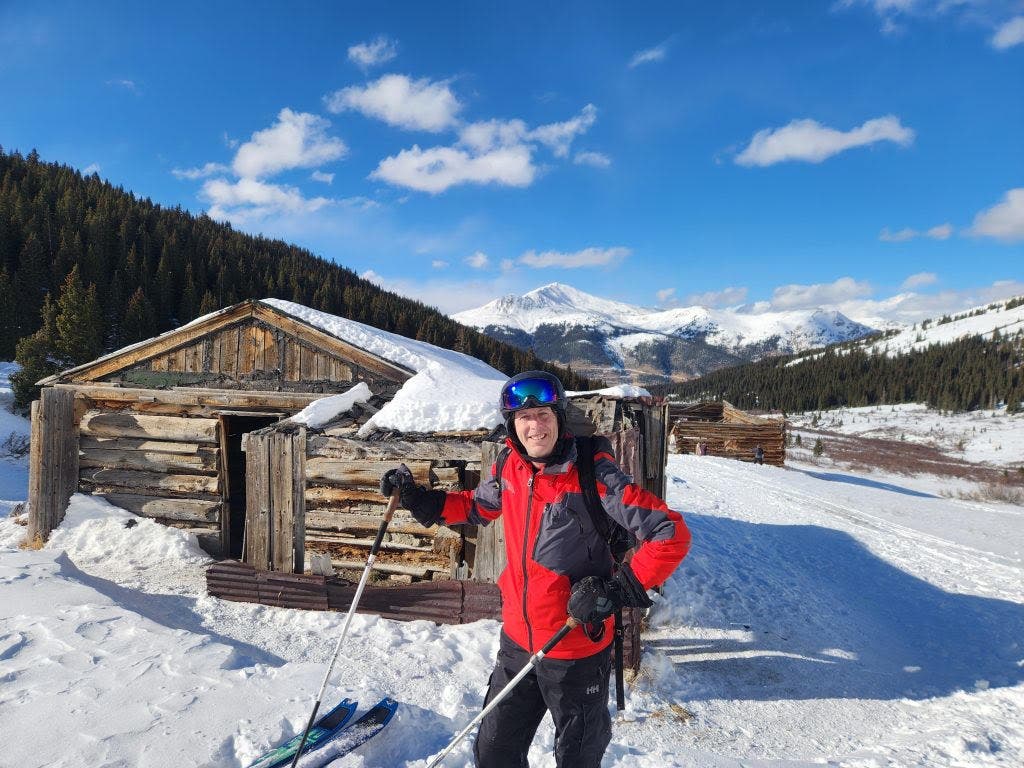
Rick Karden was a computer science teacher, rock climbing guide, and fly fishing guide from Colorado’s Front Range. He spent much of his free time developing and bolting new routes all over Summit County, Colorado. “Rick loved Summit County and had an uncanny exuberance and joy for his home crags,” said Ethan Smith, Rick’s brother-in-law. “And he loved to share them. He was always smiling, especially when out climbing with other people.”
Nikolay Totmyanin, 66, August 11
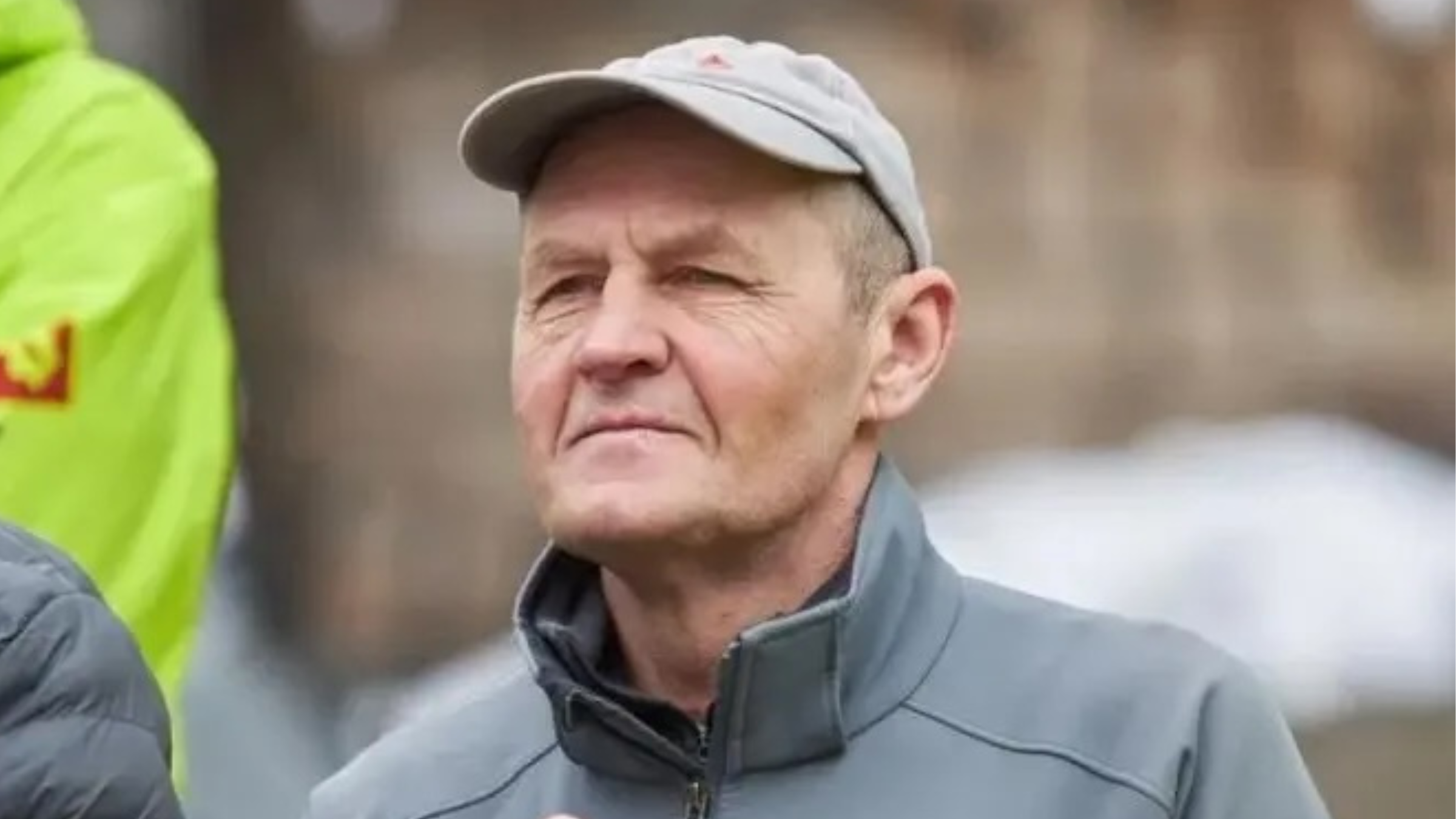
Nikolay Totmyanin is perhaps most well-known for being a key member of the Russian team that made the first ascent of Jannu’s (25,295ft) north face in 2004, winning a Piolet d’Or. But he participated in an array of other cutting-edge expeditions during his 50-year-career, including more than 200 significant climbs in the Caucasus, Pamir, Tien Shan, Karakoram, Alps, Himalaya, and Alaska ranges, both recreationally, and as a leader of the Russian national mountaineering team.
Andrea Biffi, 32, August 17
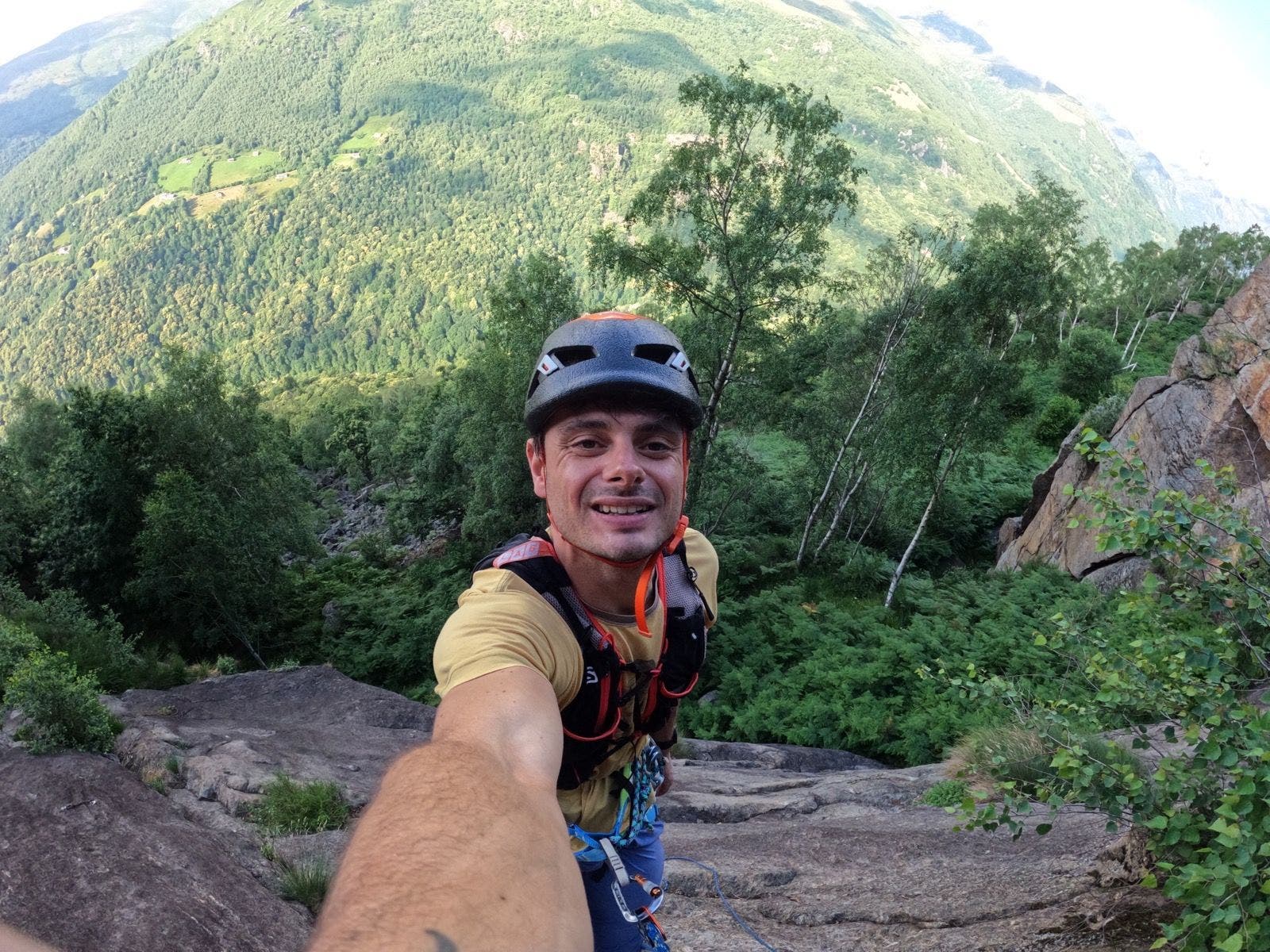
When you shared a rope with Andrea Biffi, you felt at ease. He prepared well and if conditions turned unsafe, always chose to retreat. Andrea often helped inexperienced or “stuck” climbers find their way down safely. Climbing trips also led him to Spain and other international destinations. During a short stay in Kalymnos, he sent 26 routes up to 8b/5.13+.
David Ross Anderson, 55, August 18
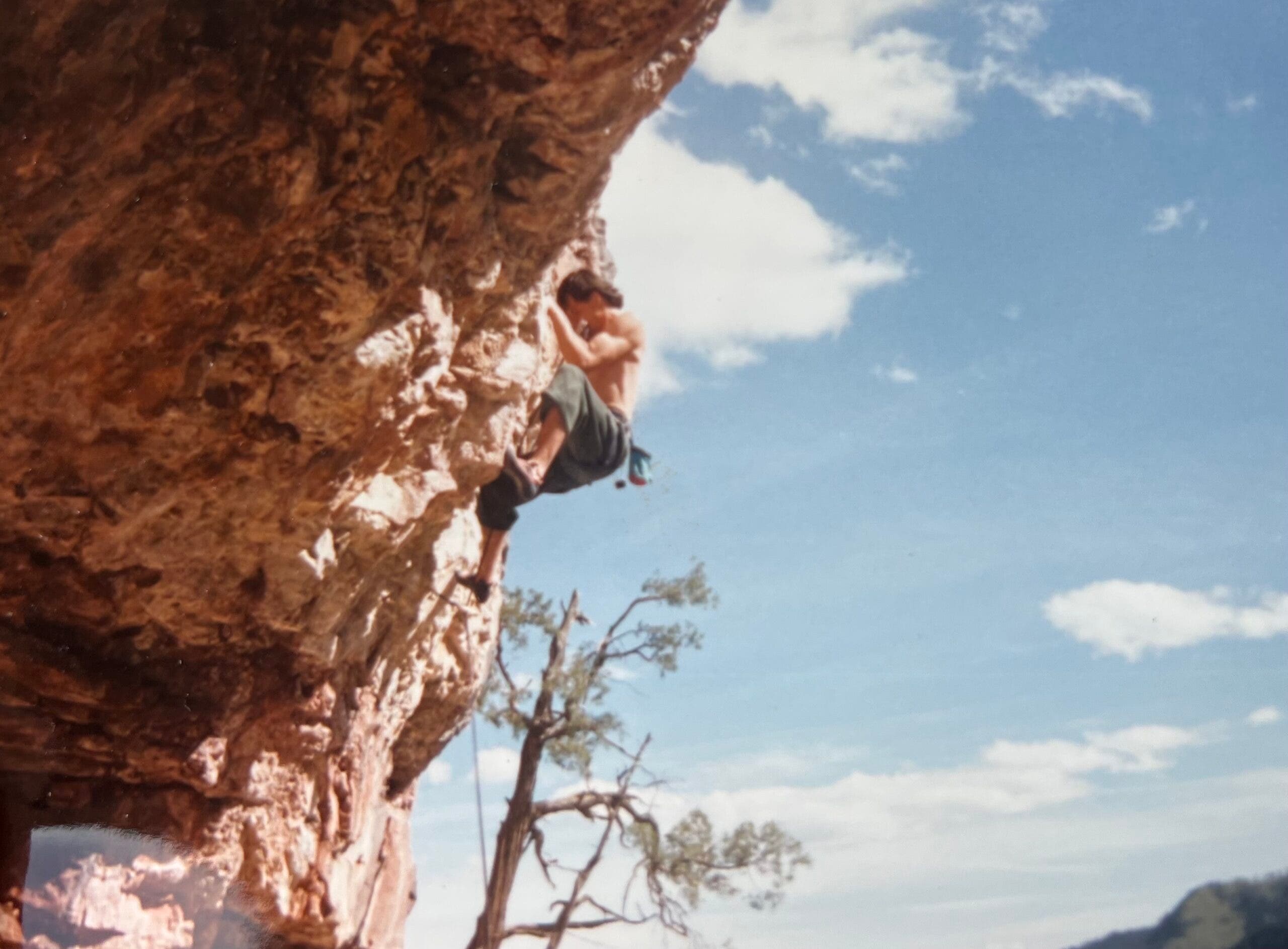
Albuquerque native David Ross Anderson is remembered as a high desert wanderer who helped develop new routes and problems around New Mexico, specifically at The Temple and Palomas Peak. After discovering climbing in the ‘80s, he prioritized freedom over work schedules, so he could climb as often as possible. His longtime climbing partner, Joe Tefertiller, remembers him as a jack-of-all-trades who loved his annual trips to Rifle, Colorado. He passed away after a fall while climbing in Los Alamos, New Mexico.
Ross James Wallette, 43, August 18
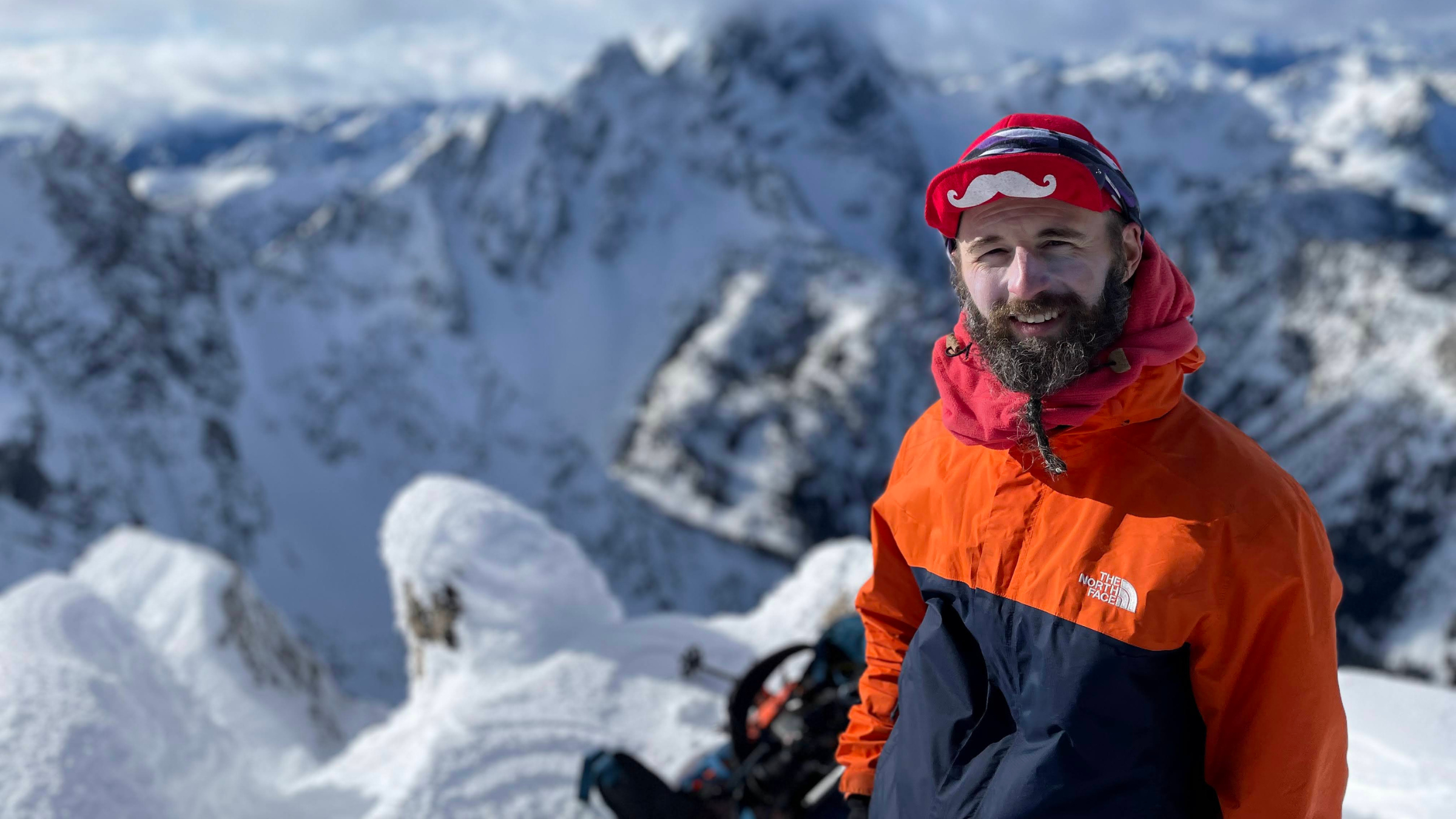
A professional photographer for over 18 years, Ross operated studios across Washington in Ellensburg, Seattle, and the Tri-Cities areas, as well as in Seoul, South Korea. As a skilled hiking guide and adventure photographer, he summited over 410 mountain peaks. He also became the 94th person to complete the Bulger List of the 100 highest mountain peaks in Washington. These passions came together in a documentary he helped create called 100 Summits: Bulgers in a Season.
Christophe Jacquemoud, 52, September 12
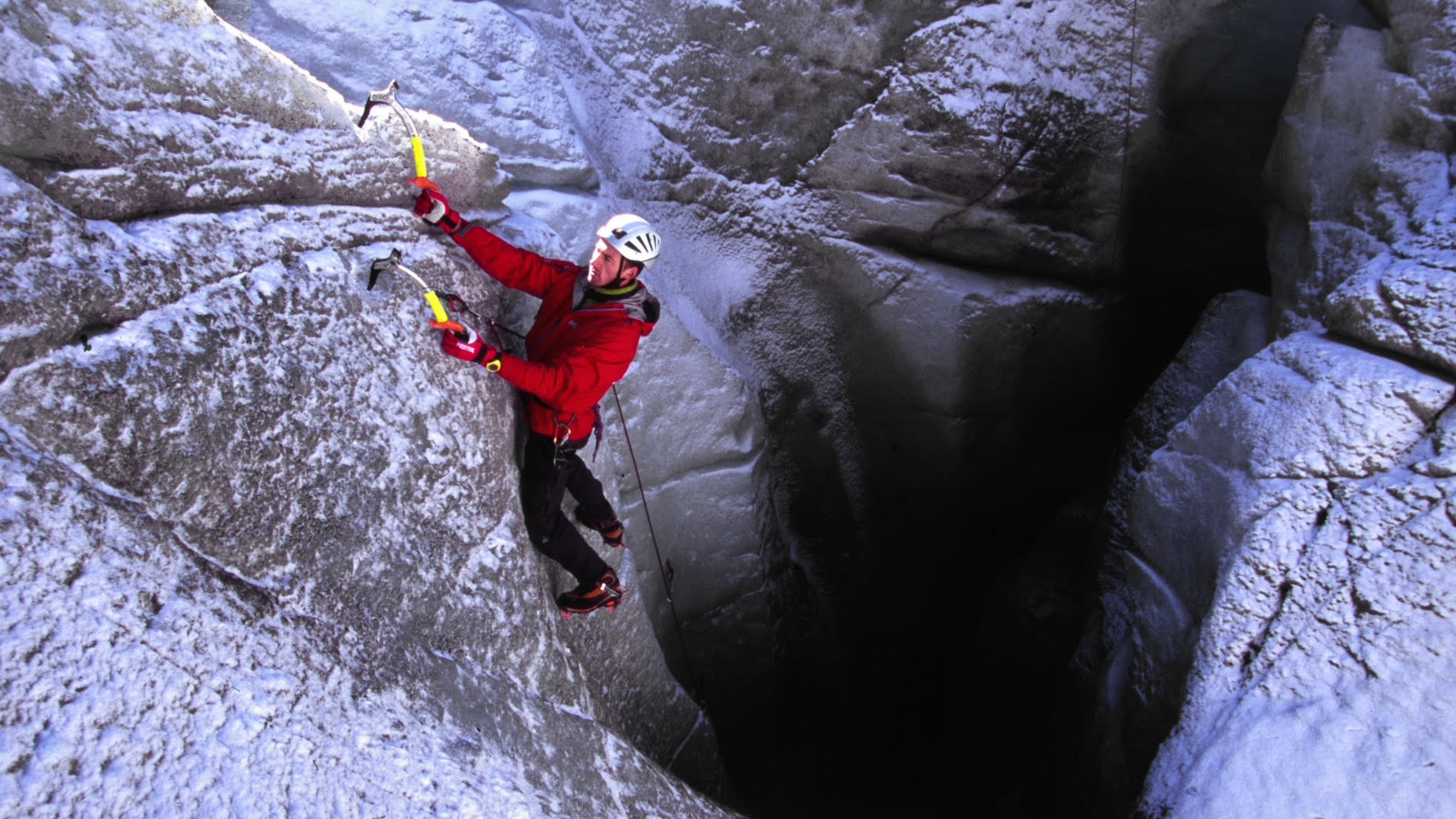
Christophe “Jack” Jacquemond was a deeply respected alpinist who taught at the École Nationale de Ski et d’Alpinisme, or ENSA, in Chamonix, France. He was best known for his ice climbing, mixed climbing, and elite skiing around Chamonix, and he died on the Aiguille des Grands Charmoz during a mission to secure and re-equip the rappel descent of the 2,100-foot Cordier Pillar route. His close friend and fellow ENSA instructor remembers him as a “ground-up kind of climber” and a “true mountaineer.”
Mat Travizano, 45, September 12

Matías “Mat” Travizano was an Argentinian climber, hiker, investor, and tech CEO based in the Bay Area of California. His friend Manuel Araoz remembers him for being so generous that he would sometimes get in trouble. Mat passed away after losing control on a low-visibility glissade on the Wintun Glacier of Mount Shasta. He is survived by his wife, Kristen Durham, and his son, Kai.
James Pinter-Lucke, 81, September 17
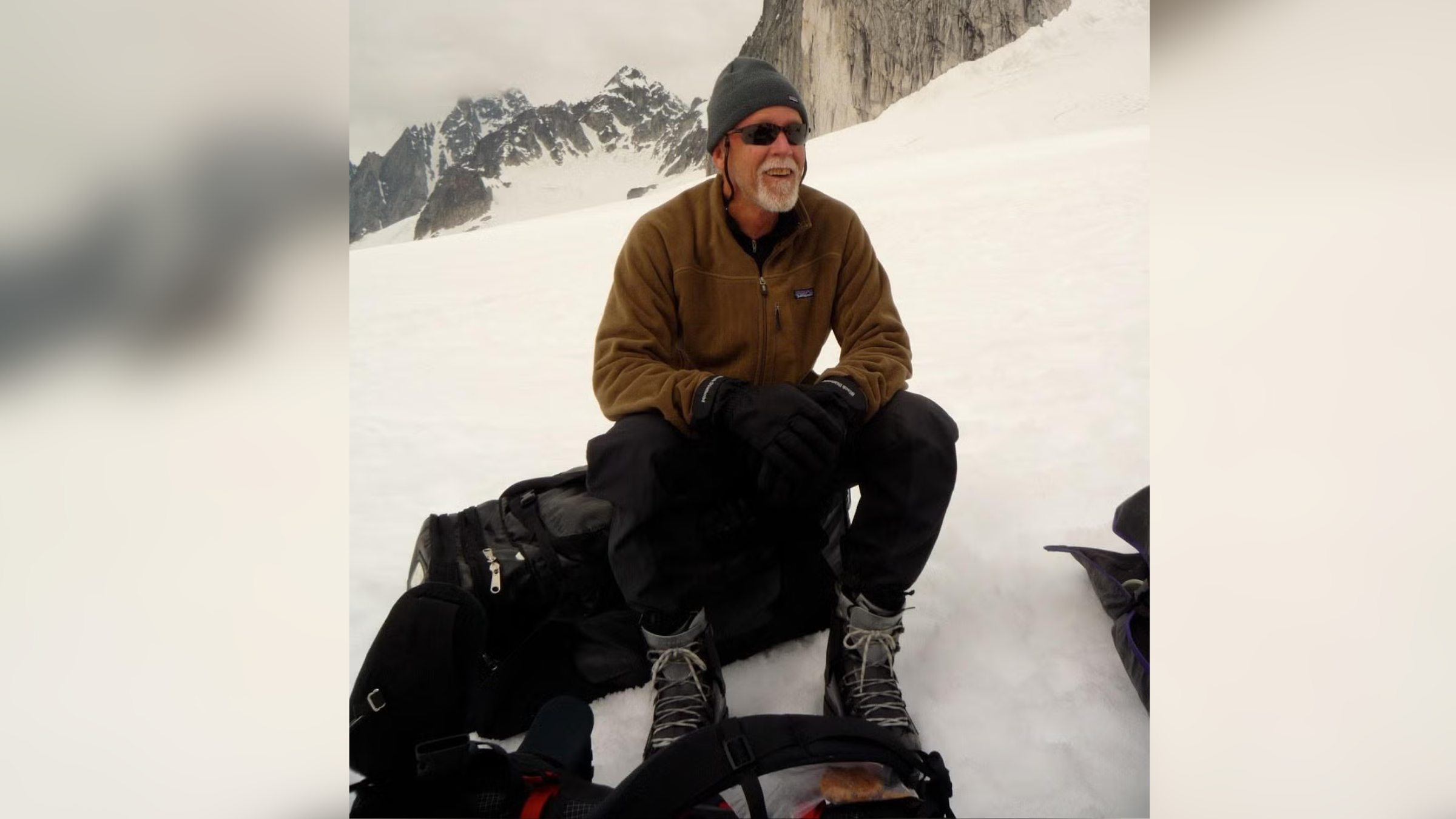
An accomplished climber and mountaineer, James Pinter-Lucke explored Joshua Tree, Idyllwild, the Sierra Nevada, and the North Cascades. David Stevenson, a longtime friend and climbing partner, recalled Pinter-Lucke’s “quiet strength and impeccable mountain judgment,” noting that “even though we always swapped leads, he invariably ended up with the hardest pitches … he would never acknowledge this.”
Benjamin Guigonnet, 37, September 18
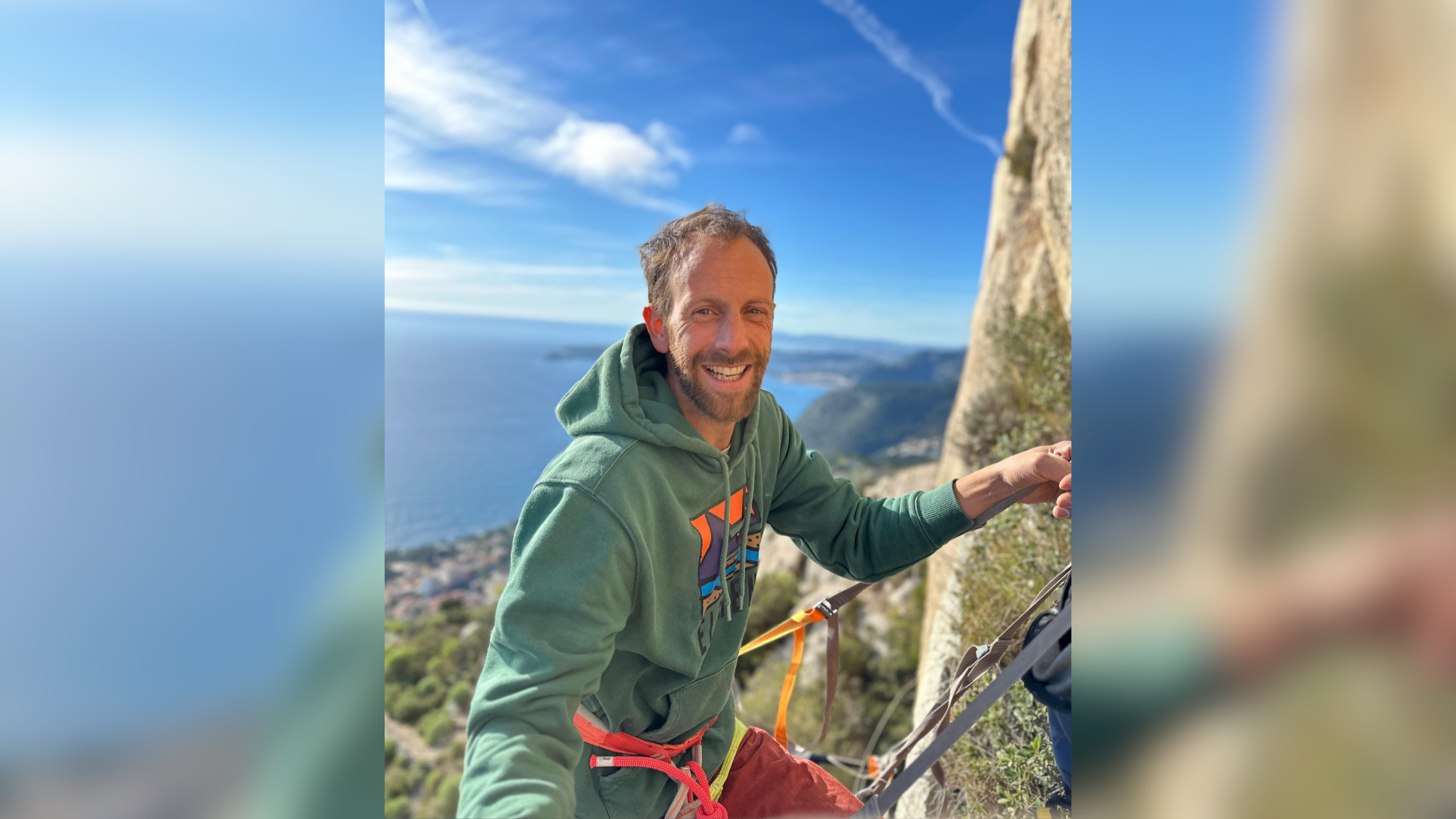
Piolet d’Or-winning alpinist Benjamin Guigonnet was among the most versatile, hard-charging climbers of his generation. He didn’t just pioneer long alpine routes. He also climbed technical WI7 ice, bouldered V11, redpointed 5.14d sport, and onsighted 5.13b trad and M10 mixed. Even off the wall, “he was an incredible jack-of-all-trades,” said friend Stéphane Benoist, noting Guigonnet’s skill in fields ranging from masonry, mechanics, and carpentry to sculpture.
Quentin Lombard, 34, September 18
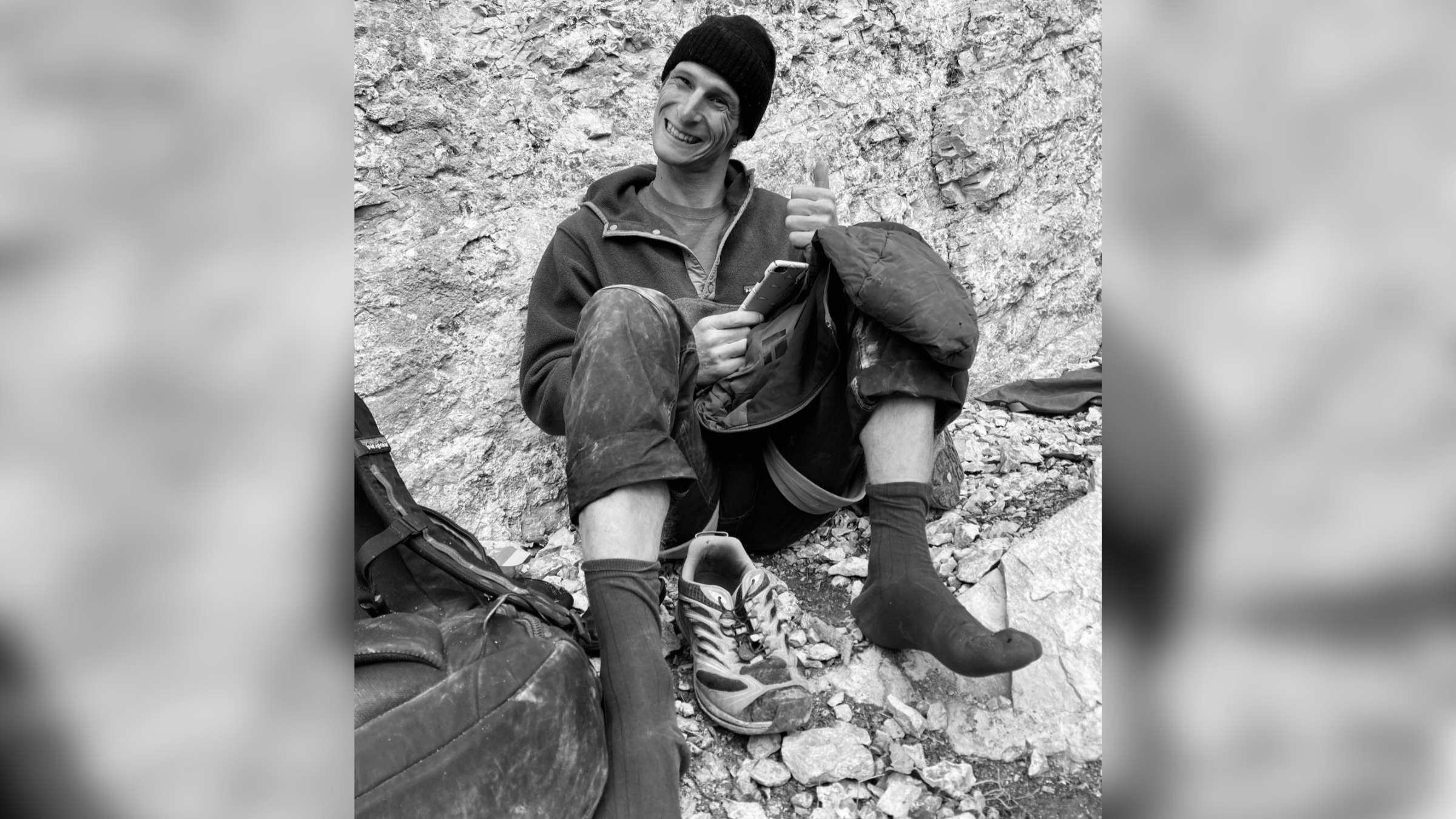
Quentin Lombard “didn’t know how to do things by halves,” said friend Benjamin Gerard Grosso. Whatever he hoped to achieve in his life, from ascents of long alpine routes to starting a family, Lombard was someone who devoted his full attention to the task at hand. Born in Pralognan-la-Vanoise, a small village nestled in the heart of the French Alps, Lombard “fell into the pot” of climbing and mountain sports from birth, Grosso said. Lombard’s father and grandfather were both mountain guides, and he was “climbing on rock or sliding on skis by the time he took his first steps.”
Dale Bard, 71, October 1
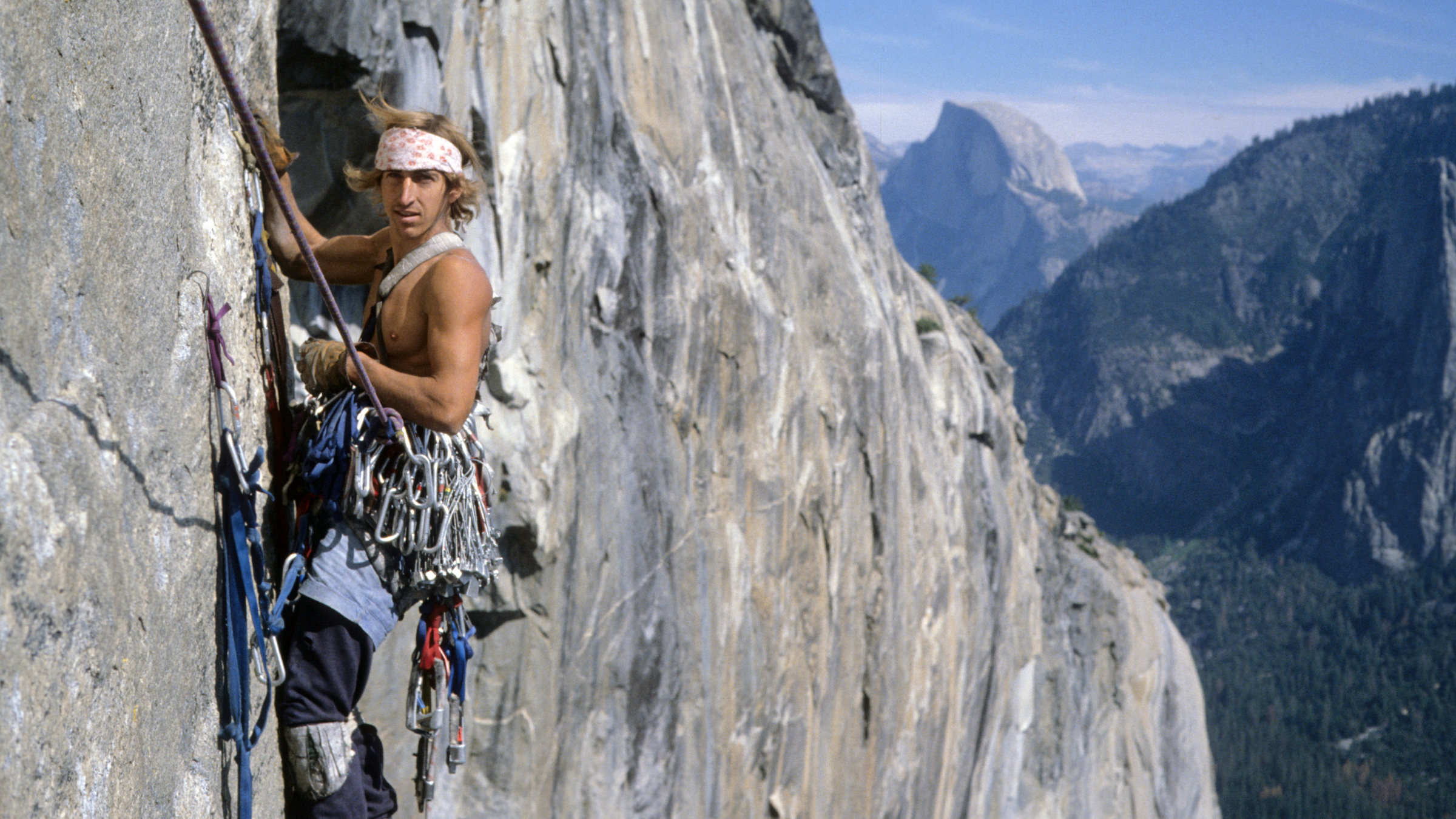
Dale Bard rode the cutting edge of the climbing game through the 1970s and 1980s. He was one of the best rock climbers of the day, authoring a slew of tough free routes like the Rostrum’s Blind Faith (IV 5.11d). He did first, second, or early ascents of a huge number of big walls on El Capitan and Half Dome, including such landmark first ascents as Sea of Dreams (VI 5.9 A4) and Bushido (VI 5.10 A4).
Balin Miller, 23, October 1
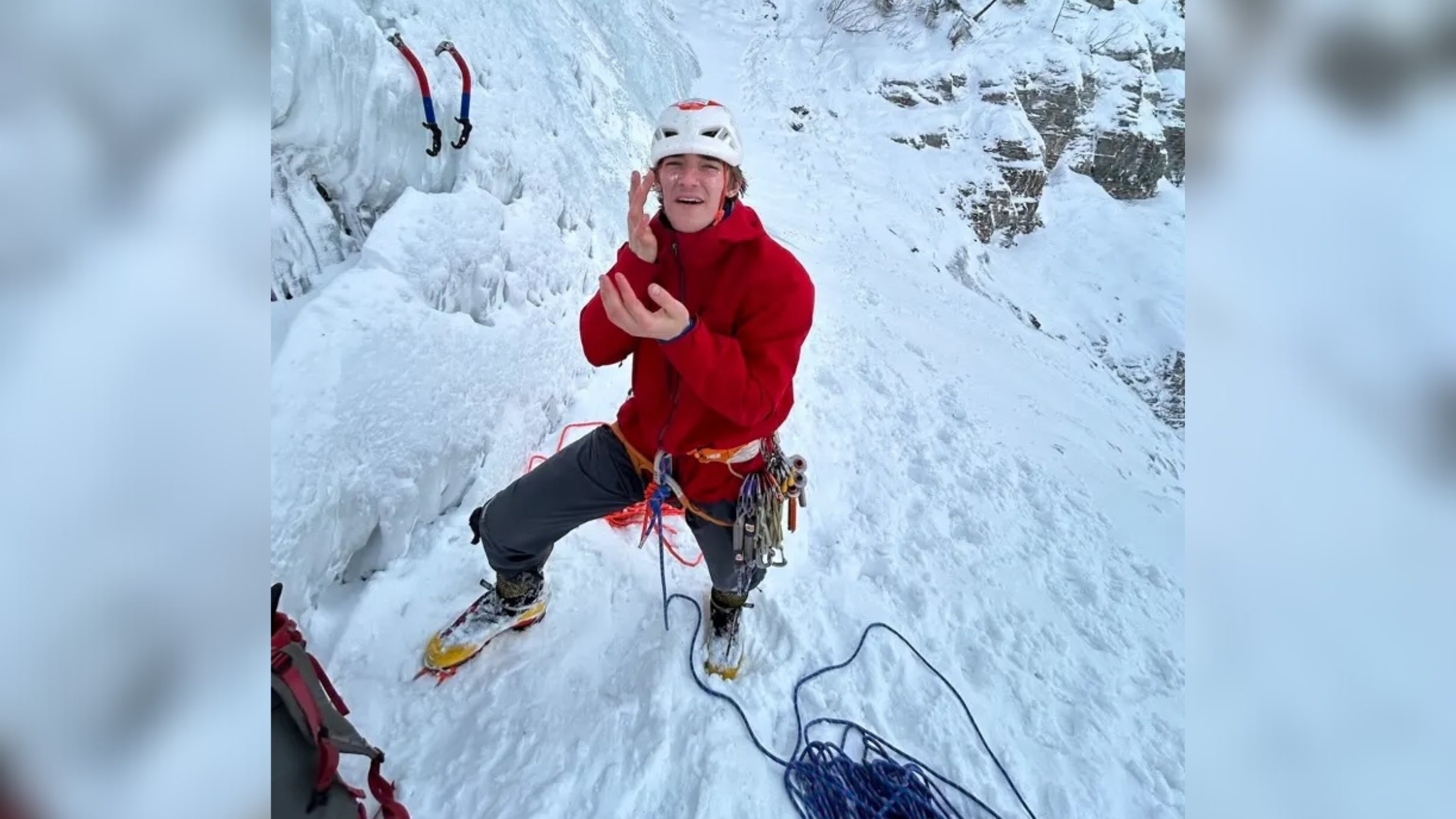
In his final year, Balin was unstoppable. It began with a solo of South Seas (A3+; 2,500ft) on El Capitan, followed by the Ragni Route (WI5+ M4; 3,000ft) on Cerro Torre in Patagonia. The momentum built rapidly: he completed the first solo of the storied Reality Bath (WI5/6), then topped it all with Alaska’s Slovak Direct, free soloing everything but the rock crux. His final climb was one last El Cap solo on Sea of Dreams (A4). Balin had only recently cemented himself as a world-class climber, but he was innately a world-class shit-talker. His ego was big at times, but his heart was always much, much bigger.
Peter Cleveland, 84, October 7
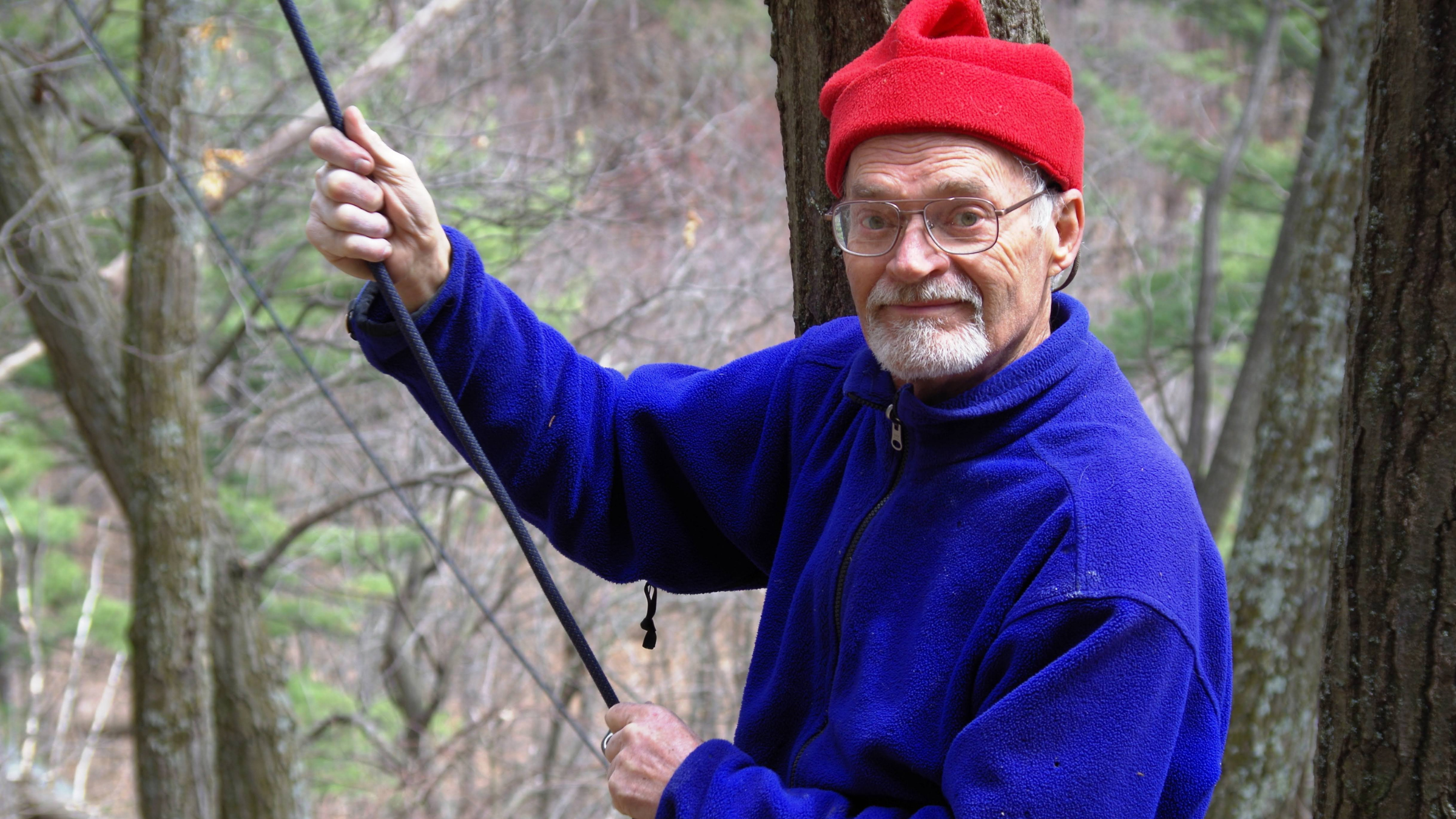
Peter was best known as a legendary rock climber who pushed the envelope, using ancient gear, to establish first ascents around the country. Many of those first ascent were at Devil’s Lake. The 1960s and 1970s were his prime days, when he established some of the hardest grades of the time. Some of the routes he established at Devil’s Lake are still out of range of most climbers today. Just Googling his name will return many examples. Pete first climbed a route called Superpin (5.11 X) in the Needles of South Dakota that some say nobody has repeated to date.
Franziska Garrett, 70, October 17
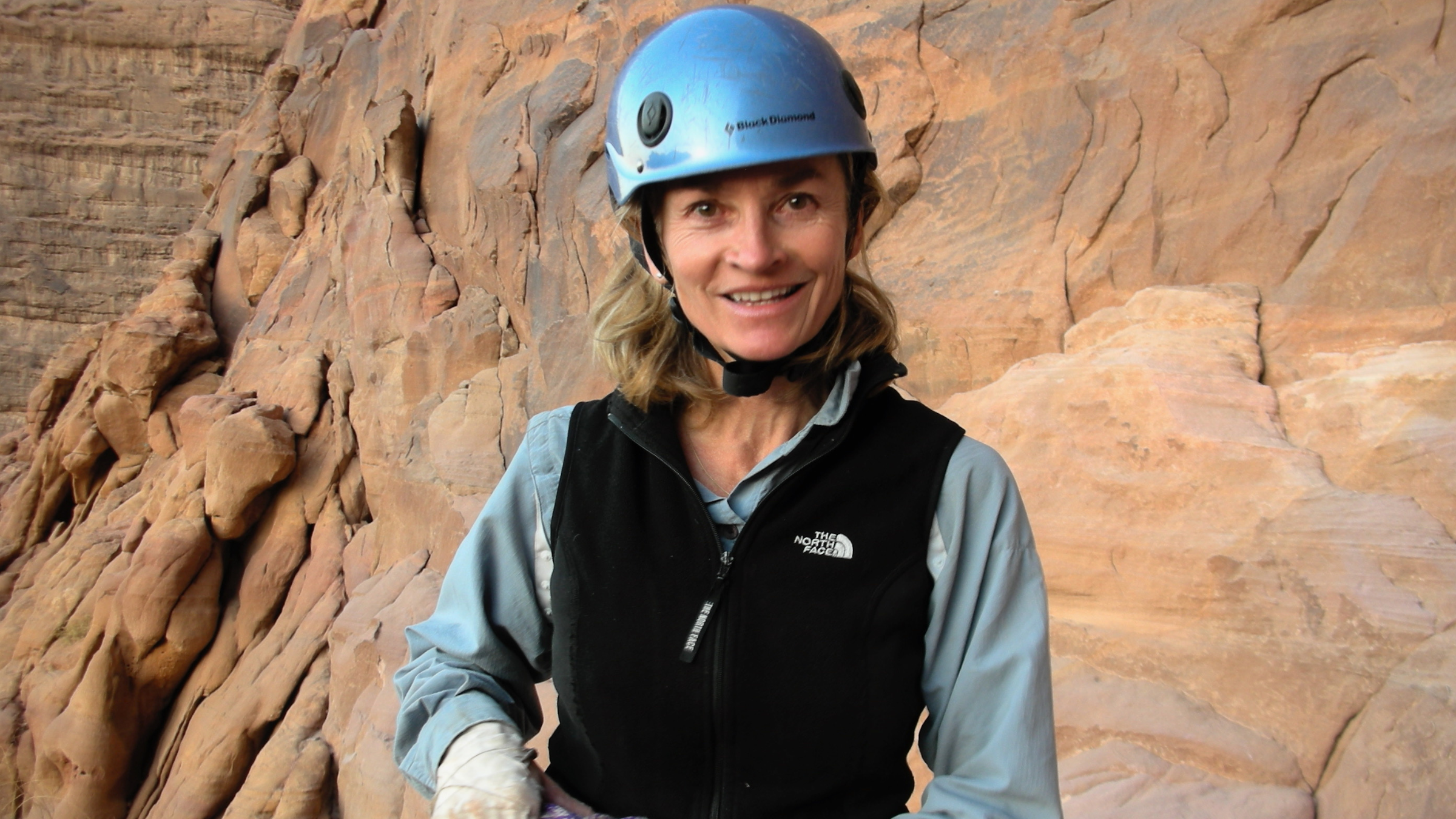
Active during a formative era for climbing in Utah’s Wasatch Range, Franziska Garrett helped establish several modern classics now featured in local and national guidebooks. Her contributions span alpine, desert, and international venues, marking her as one of the quiet yet influential figures in late-20th-century Wasatch climbing. She was also an active member of her local climbing community and a member of the Salt Lake Climbers Alliance.
Emman Atienza, 19, October 22
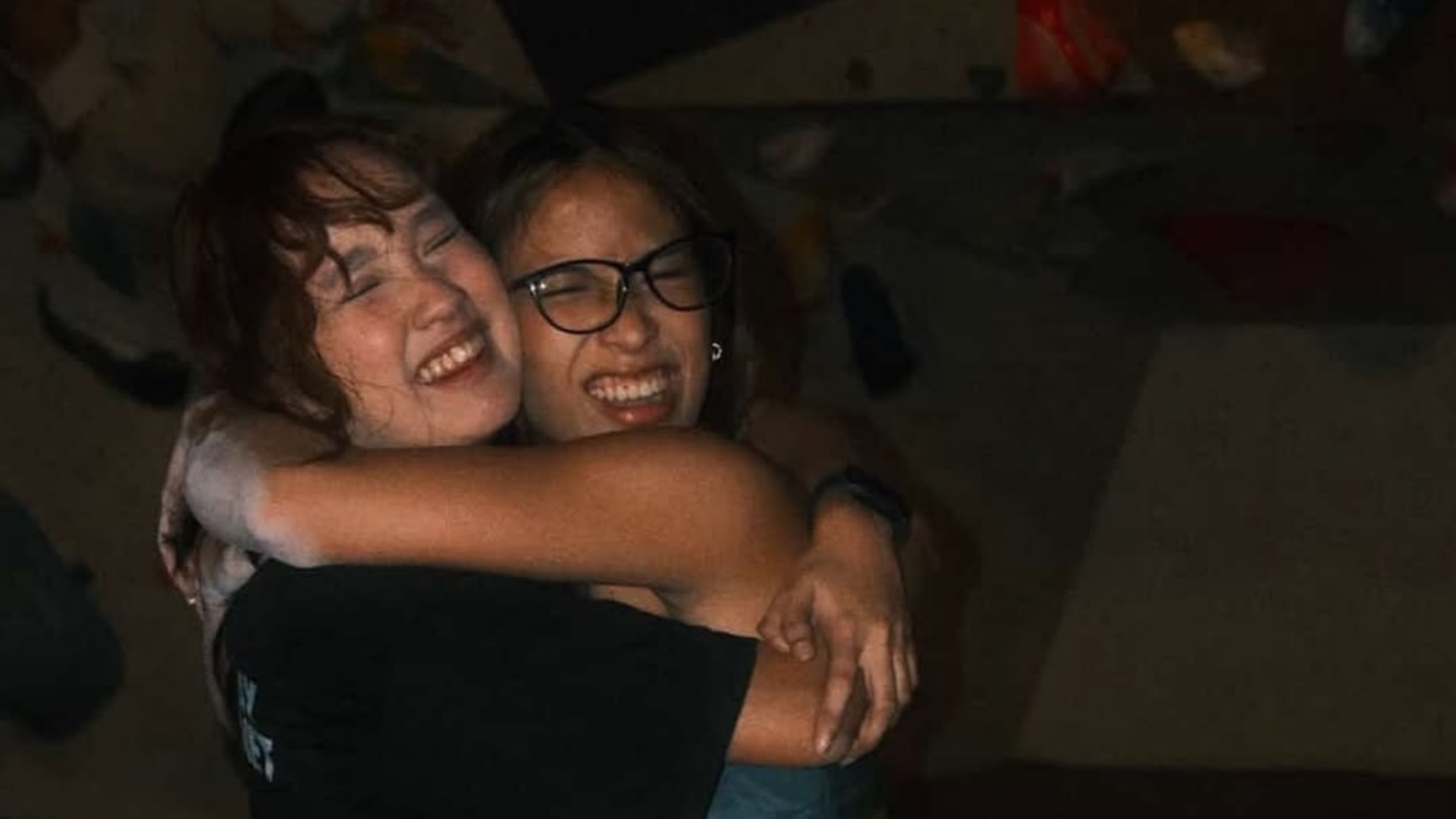
One of Emman Atienza’s former friends and frequent climbing partner, Zhab Cunanan, says that Atienza brought an enthusiastic, supportive energy to their gym, The Bouldering Hive in Manila. Cunanan recalls that she’d always be the type of person to encourage someone with an “allez” or “you got this.” Atienza started a dedicated climbing Instagram account, and regularly shared her experiences being a woman in the sport. She posted about eating disorders and misogyny in the gym, along with documenting her progress and training.
Henry Todd, 80, November 3
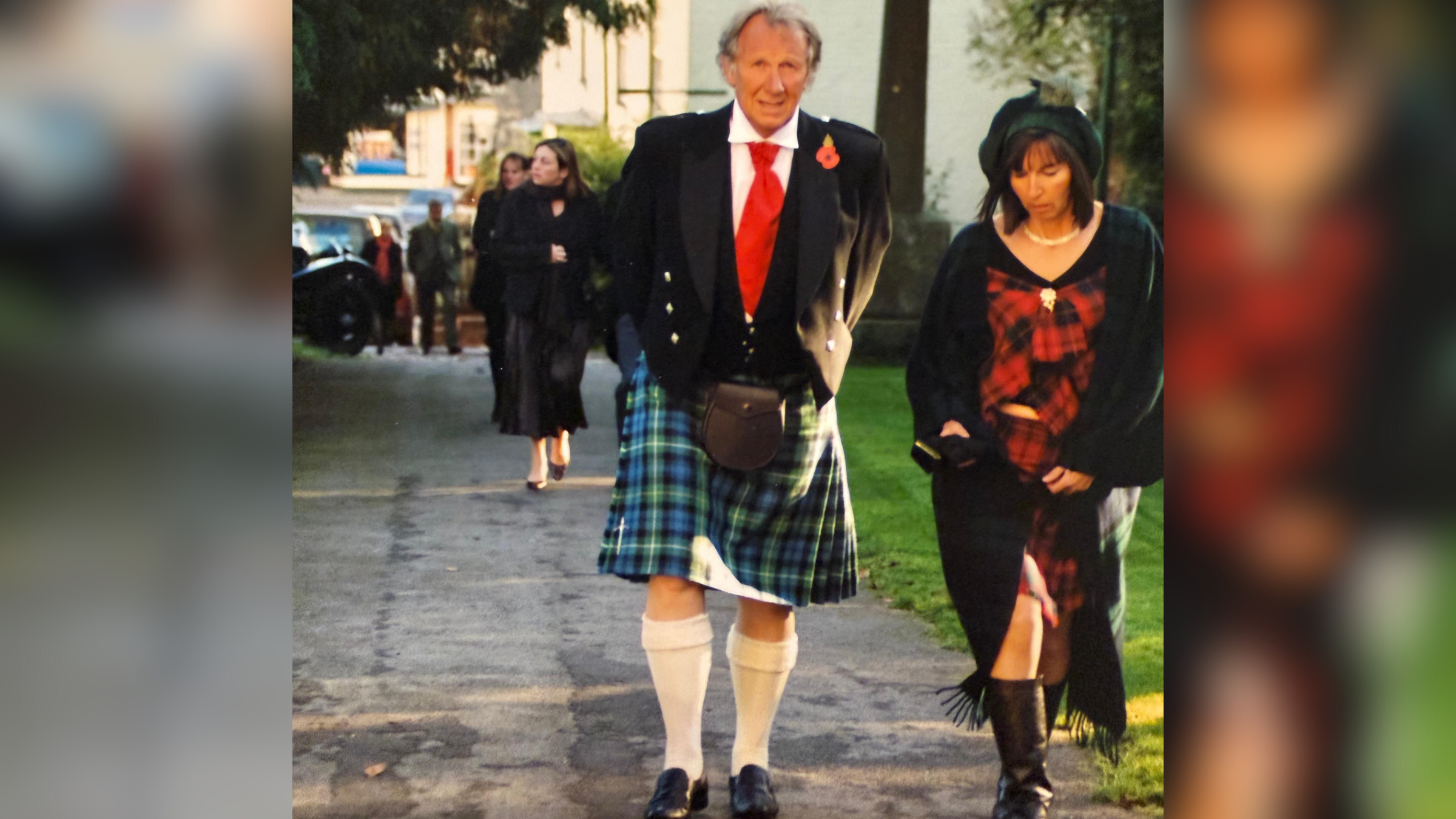
Henry Todd, also known as the “Toddfather” or “Mayor of Base Camp,” was a Scottish climber and Himalayan mountaineer who survived plane crashes, avalanches, and earthquakes. After dropping out of university in Cambridge, selling massive quantities of LSD out of his home in London, and spending seven years in prison, Todd shifted his focus to high-altitude mountaineering. Over 30 years, Todd organized 70 Himalayan expeditions, including 45 over 8,000 meters, and summited many world-class peaks, including Cho Oyu, Manaslu, Pumori, and Ama Dublam.
Thomas Vialletet, age unknown, November 24
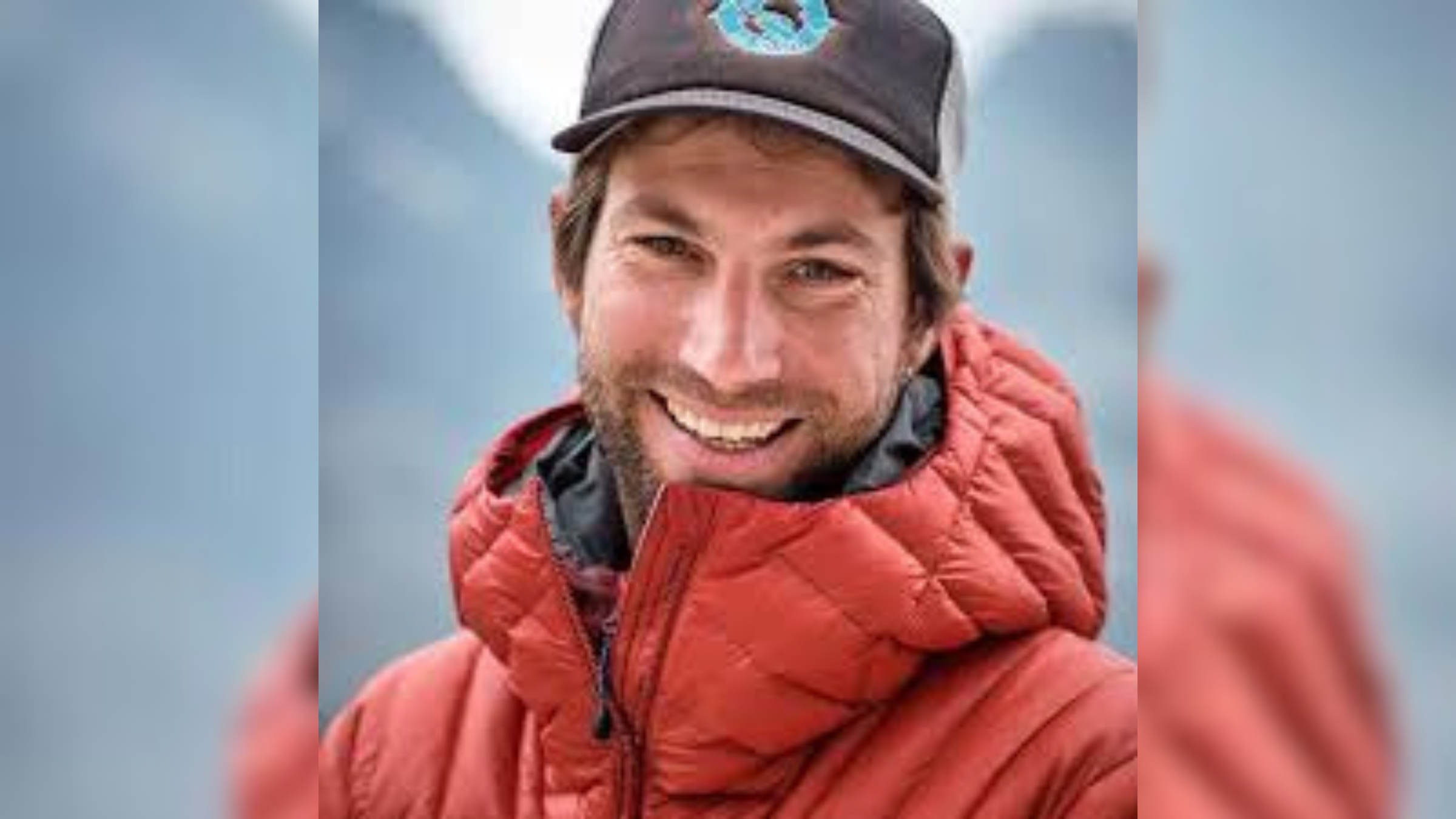
Thomas Vialletet, who was born and raised in France, was a member of the French National Young Alpinism Team from 2009 to 2012, and worked as a climbing and ski guide in the French Alps before relocating to New Zealand. At the time of his death, he lived in the small lakeside town of Wānaka with his wife, Danielle—also the co-founder of his guiding company, Summit Explorers—and two children, Layla and Ethan. Photographer Camilla Rutherford said Vialletet was her “go-to guide” for any mountain photoshoot, highlighting his focus on safety, and a “bright lust for life.”
Dick Jackson, 75, November 26
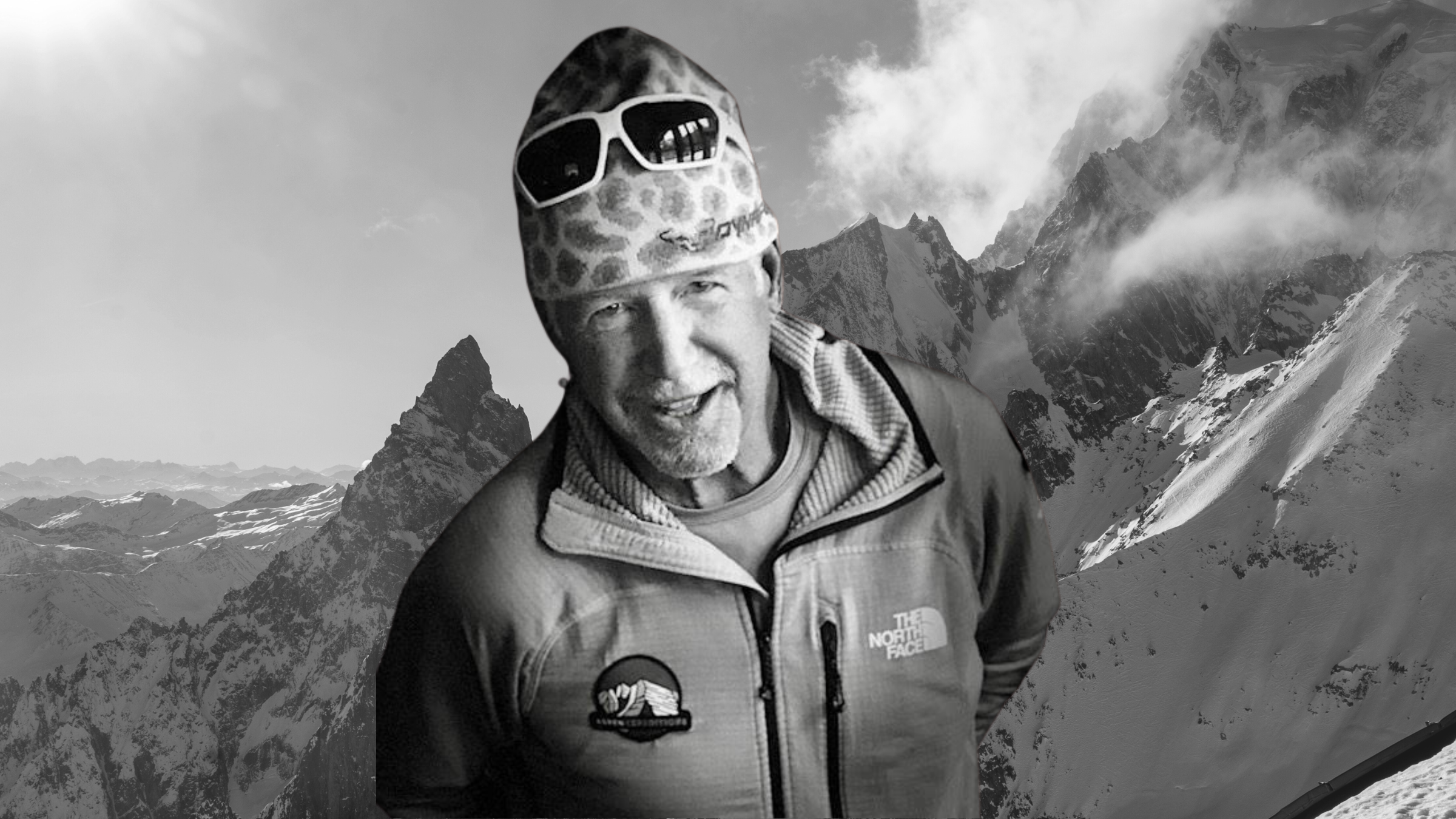
Dick Jackson’s affinity for mountaineering began in the 1970s, when he discovered rock climbing while attending the University of Colorado Boulder. Like many of his generation, he trained on the granite and sandstone of the Front Range in Rocky Mountain National Park and Eldorado Canyon. His passion quickly grew beyond his backyard, taking him to summits along the Alaska Range, the Alps, the Andes, and the Himalaya.
Jeff Foott, 82, December 3
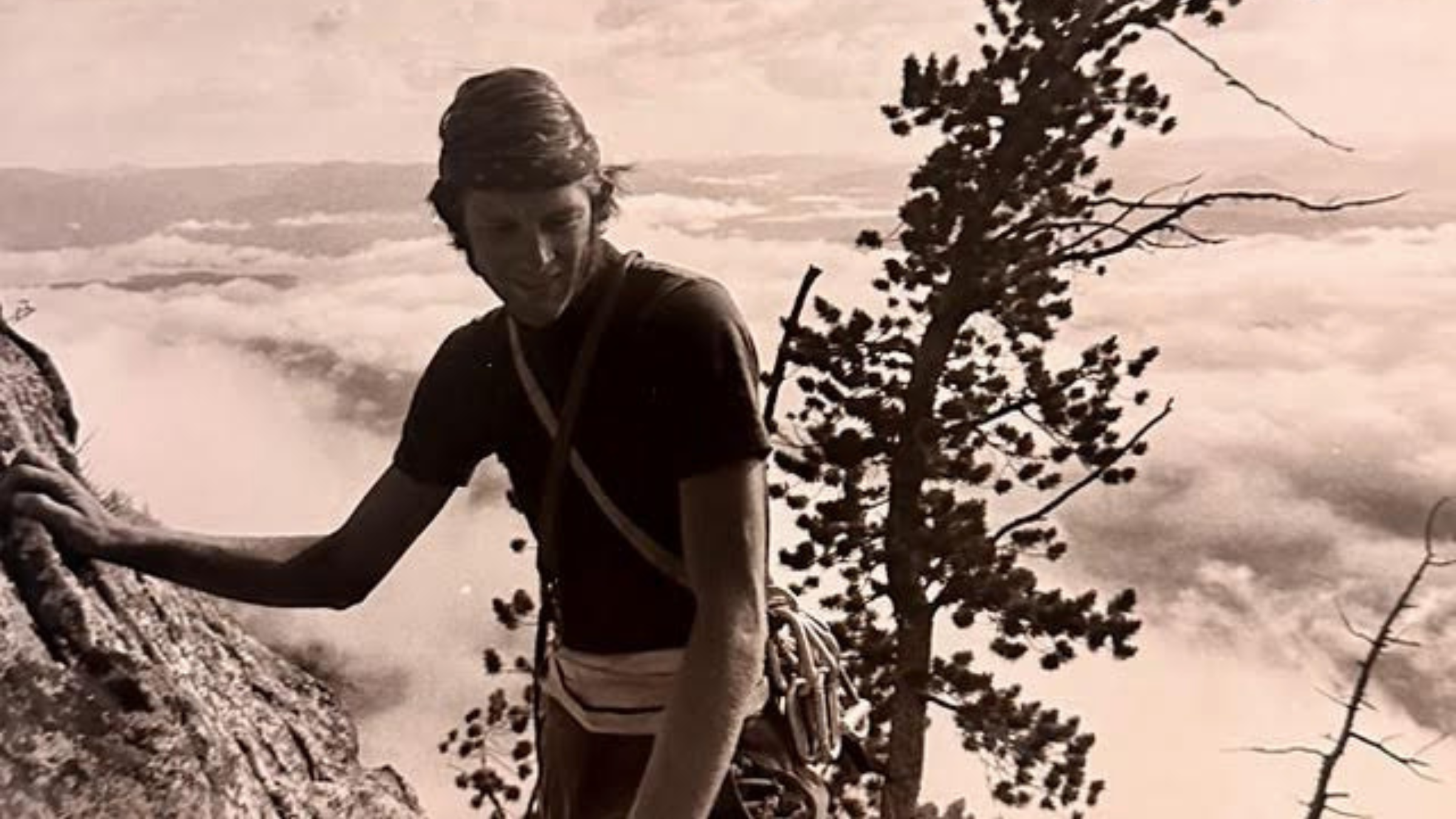
Jeff Foott, climber, photographer, naturalist, and mentor, died after a long and graceful struggle with leukemia. Foott embodied what his wife described as a rare blend of “gentle patience and persistent endeavor,” which defined both his climbing achievements and life’s work. By the early 1960s, he’d left a distinct mark on American climbing. He completed the 11th ascent of the Steck-Salathé route (5.10-) on Sentinel Rock, the first ascent of the Great White Book (5.6 R) on the Stately Pleasure Dome, the second ascent of the Regular Route (5.9) on Fairview Dome, and the first single day ascent of the regular northwest face of Half Dome (5.9 C1 VI).
Helmut von Microys, 91, December 4
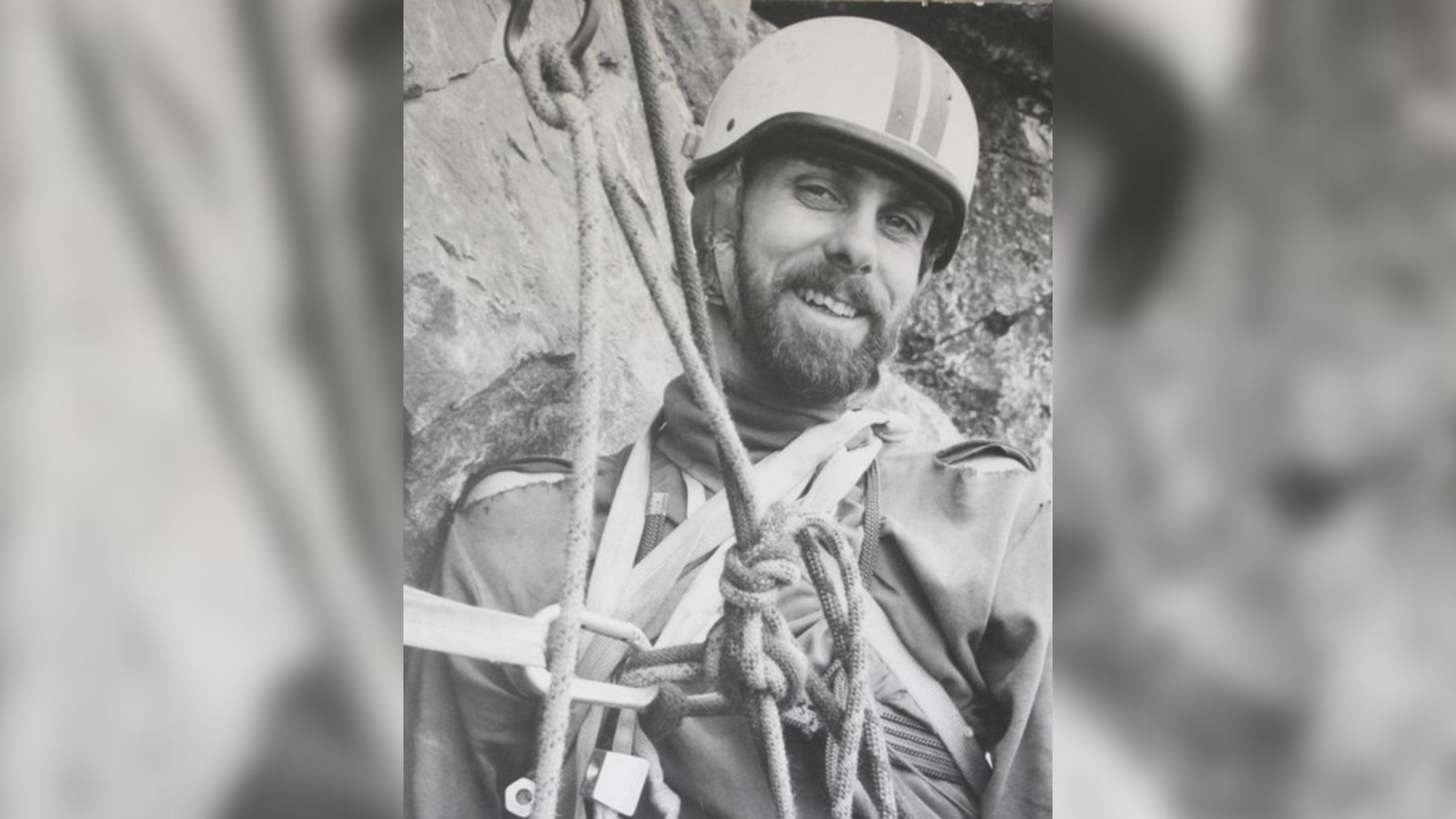
“Helmut was already a legend when I began climbing,” said Calvin Klatt, an Ontario climber and longtime Alpine Club of Canada organizer. “Still, he would climb with the most experienced people and the least.”
Helmut von Microys’s contributions extended well beyond route development. In 1978, he and his brother Wilhelm played a pivotal role in constructing the ACC Toronto Cabin in Canmore. Now known as the Pat Boswell Cabin, this structure continues to serve as a central hub for the region’s climbers.
Shafiq Noorani, 52 December 31
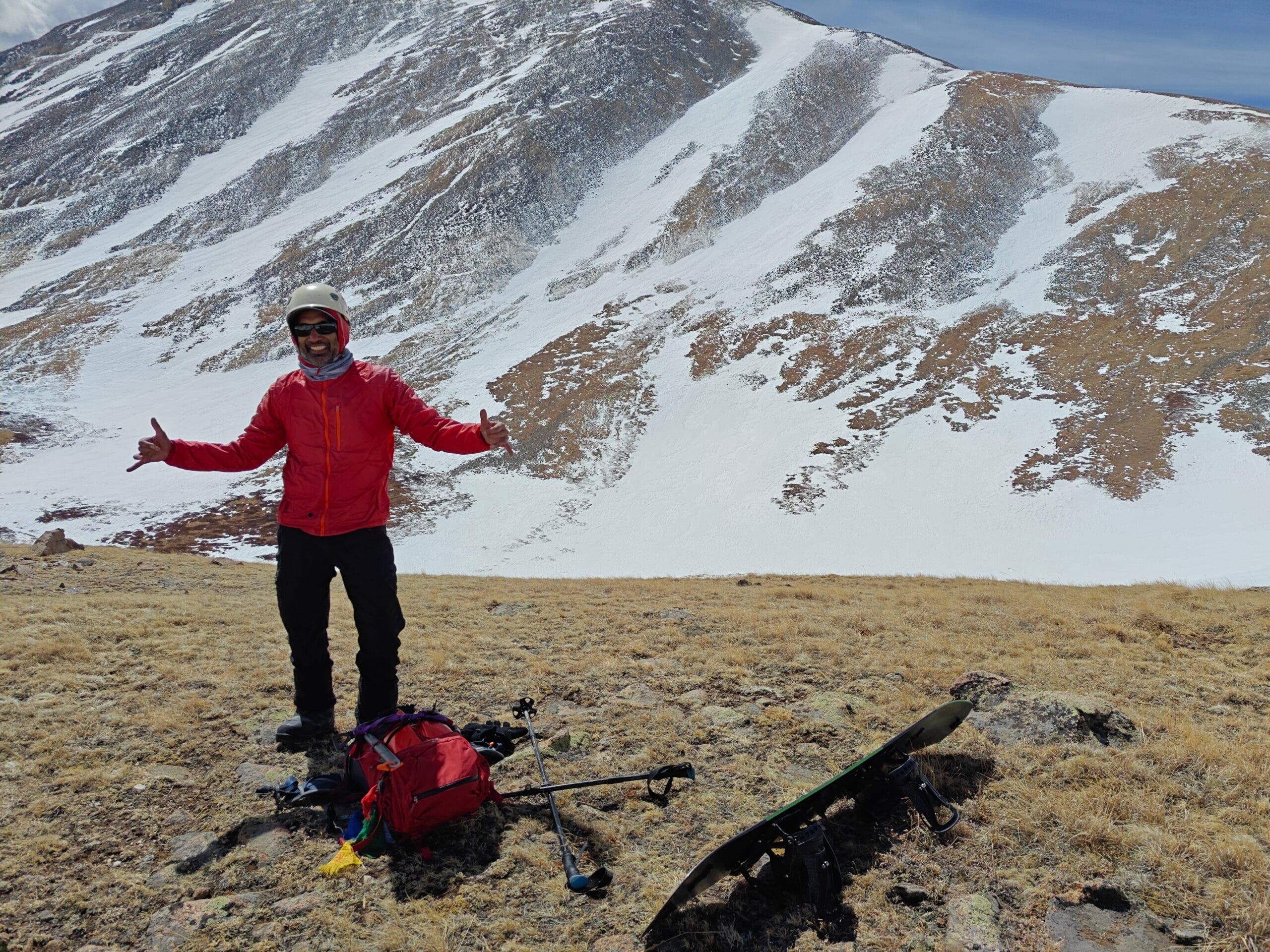
Climbing partners and friends remember Shafiq Noorani as a climber celebrated for his generosity. He quietly made a meaningful impact on the climbing and global communities.
On December 31, Noorani died while descending The Citadel, a 13,000-foot peak west of Denver. According to reporting in USA Today and CBS News, Noorani fell several hundred feet in a tragic accident. Rescuers described him and his climbing partner as experienced and well-prepared. The exact cause of his fall remains unknown.


